



What's Happening?
The search for Nancy Guthrie, who disappeared from her Tucson, Arizona home, is being complicated by the use of artificial intelligence and deepfakes. Law enforcement has received multiple ransom notes from individuals claiming to have Guthrie, the mother
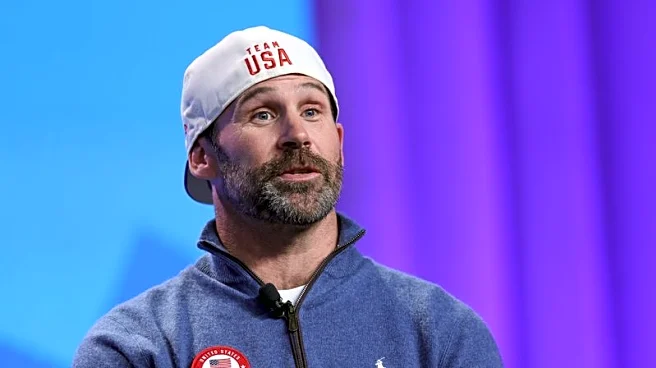
of Today show co-host Savannah Guthrie. The family has requested proof of life before any ransom is paid, but the authenticity of such evidence is increasingly difficult to verify due to AI's ability to create convincing fake images, videos, and documents. Joseph Lestrange, a former law enforcement officer, highlights the challenges posed by AI, noting that digital forensics labs are tasked with authenticating evidence, a process that can be time-consuming. The urgency is heightened by Nancy Guthrie's health issues, making swift verification crucial.
Why It's Important?
The situation underscores the growing challenge that AI and deepfakes pose to law enforcement and public safety. As AI technology becomes more sophisticated, distinguishing between real and fabricated evidence becomes increasingly difficult, complicating investigations and potentially delaying critical responses in time-sensitive situations like kidnappings. This development has significant implications for public trust in digital communications and the ability of authorities to respond effectively to crimes involving digital manipulation. The case also highlights the need for law enforcement to adapt to technological advancements and collaborate with AI companies to develop effective tools for identifying and countering deepfakes.
What's Next?
Investigators are likely to continue working with digital forensics experts to authenticate any evidence received. There may be increased pressure on AI companies to collaborate with law enforcement to create tools that can quickly and accurately identify deepfakes. Additionally, public awareness campaigns about the risks of AI-generated content and how to protect personal information online could become more prevalent. The outcome of this case may influence future policies and practices regarding the use of AI in criminal investigations.
Beyond the Headlines
The use of AI and deepfakes in criminal activities raises ethical and legal questions about privacy, consent, and the potential for misuse of technology. As AI becomes more integrated into daily life, there is a growing need for regulations and guidelines to prevent its abuse. This case may prompt discussions about the balance between technological innovation and the protection of individual rights, as well as the responsibilities of tech companies in preventing the misuse of their products.