









What's Happening?
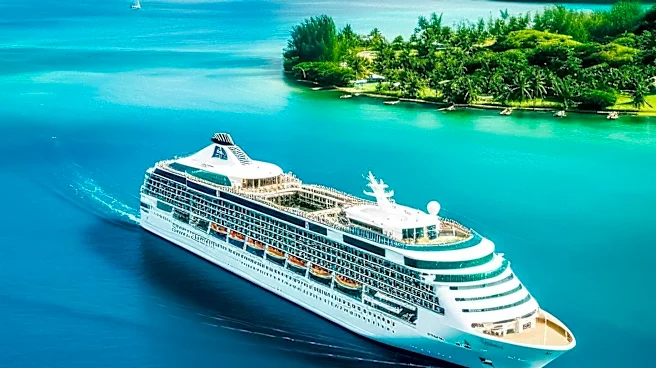
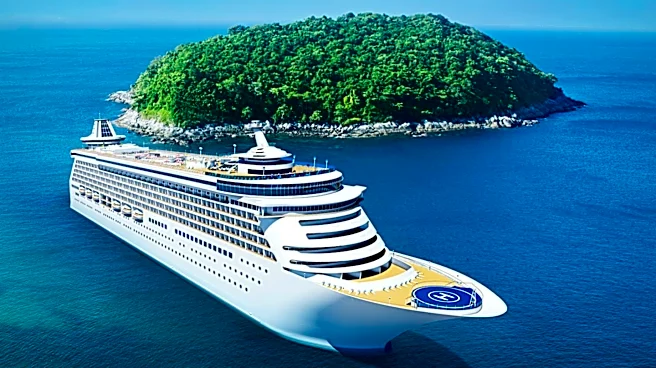
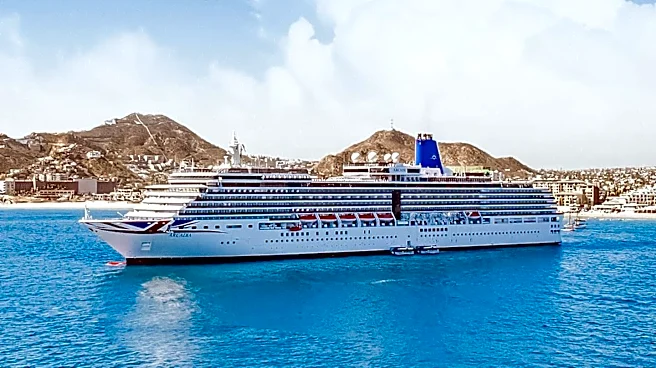
An LGBTQ cruise ship, the Scarlet Lady, was denied entry into Egypt shortly after being barred from Turkey, affecting approximately 2,000 passengers. The ship, chartered by Atlantis Events, was on a 10-day cruise from Athens to Venice. Passengers were
informed of the change via a note, as the ship sought alternative docking locations. Turkey's authorities cited concerns over the ship's charter by groups not aligning with their social and moral values, leading to the cancellation of its planned arrival. Egypt followed suit without providing an official explanation. This marks the first time in 36 years that an Atlantis cruise has been denied docking in two countries within a week.
Why It's Important?
The denial of entry to the LGBTQ cruise ship by Turkey and Egypt highlights ongoing challenges faced by the LGBTQ community in international travel. This incident underscores the influence of conservative political movements on LGBTQ rights, as countries may feel emboldened to impose similar bans. The economic impact is significant, as passengers had planned extensive tours, contributing to local tourism. The situation also raises concerns about the broader implications for LGBTQ-friendly travel and the potential for increased discrimination in international policies. The resilience of the LGBTQ community is evident, as passengers and organizers express determination to continue their journey and support inclusive travel.
What's Next?
Following the denial of entry, the Scarlet Lady has rerouted to Chania, Crete, and plans to dock in Montenegro. The incident may prompt discussions among LGBTQ travel companies about future itineraries and the selection of destinations. There is potential for increased advocacy and diplomatic efforts to address such bans, emphasizing the importance of inclusivity in global tourism. The response from the LGBTQ community and allies could influence future travel policies and encourage countries to reconsider their stance on LGBTQ tourism.
Beyond the Headlines
The incident reflects broader cultural and political tensions regarding LGBTQ rights globally. It highlights the need for continued advocacy and dialogue to promote acceptance and equality. The situation also raises ethical questions about the role of governments in regulating tourism based on social values and the impact on international relations. Long-term, this could lead to shifts in travel patterns, with LGBTQ travelers seeking destinations that prioritize inclusivity and diversity.