




What's Happening?
A recent survey by MMGY's 2026 Portrait of American Travelers Fall Edition indicates that U.S. leisure travelers are increasingly committed to their travel plans despite growing cost concerns. The survey, based on interviews with 4,500 U.S. adults, found
that Americans expect to spend an average of $5,655 on leisure travel over the next 12 months, a figure higher than reported in the previous summer survey. Additionally, respondents anticipate taking an average of 3.9 leisure trips in the coming year, an increase from 3.5 trips. Rather than canceling vacations, a significant portion of travelers are adapting their strategies: 35% are opting for off-peak travel periods, and 32% are cutting expenses in other areas of their lives to maintain their travel budgets. Domestic travel is also gaining traction as a cost-saving measure, with 64% of travelers citing lower costs as a reason for choosing U.S. destinations. The survey also highlighted varying travel preferences and budgets across different demographics, with Baby Boomers expecting to spend significantly more on travel compared to Gen Z travelers.
Why It's Important?
This trend underscores a resilient demand for leisure travel within the U.S. market, even in the face of economic pressures. For the U.S. tourism and hospitality industries, this sustained interest translates into continued revenue streams, albeit with a shift in consumer behavior. Businesses catering to travelers, such as airlines, hotels, and tour operators, must adapt to preferences for off-peak travel and domestic destinations. The willingness of consumers to reallocate personal budgets to prioritize travel suggests that experiences are highly valued, potentially leading to increased competition among travel providers to offer cost-effective yet appealing options. The disparity in spending between generations, particularly the higher expenditure by Baby Boomers, indicates that marketing strategies should be tailored to specific age groups, recognizing their distinct financial capacities and travel motivations. Furthermore, the emphasis on value, including spending time with family and friends, creating memories, and quality accommodations, signals that travelers are seeking meaningful experiences rather than just basic services, pushing the industry to enhance overall value propositions.
What's Next?
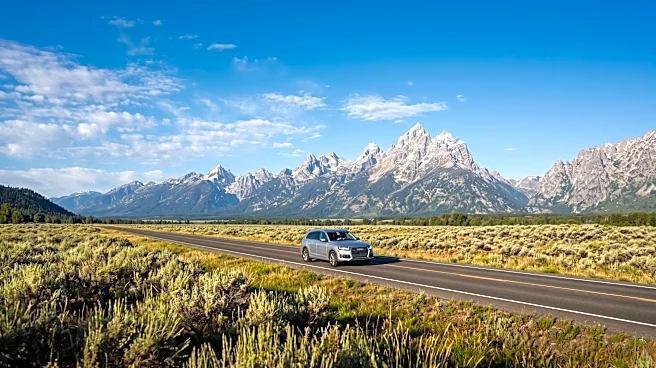
In response to these evolving traveler behaviors, the U.S. travel industry is likely to see an increased focus on flexible booking options, value-added packages, and promotions for off-peak and domestic travel. Travel providers may further invest in personalized marketing campaigns that target specific demographics, such as Baby Boomers with higher spending power and Gen Z travelers who are more inclined to use artificial intelligence for planning. The growing use of AI for travel inspiration, as noted in the survey, suggests that digital platforms and AI-powered tools will become even more integral in the initial stages of travel planning. Businesses will need to integrate AI into their customer engagement strategies to capture this segment effectively. Additionally, the sustained interest in outdoor destinations and national parks points to continued investment and promotion of natural attractions, potentially leading to new infrastructure and service developments in these areas to accommodate increased visitor numbers.
Beyond the Headlines
The survey's findings reflect a broader societal shift where travel is increasingly viewed as an essential component of well-being and personal fulfillment, rather than a discretionary luxury. The willingness of Americans to adjust their budgets and make trade-offs to preserve travel plans highlights a deep-seated desire for experiences and connection, which can have long-term implications for consumer spending patterns. This prioritization of travel could lead to a re-evaluation of personal finance strategies, with individuals consciously allocating more resources towards travel and leisure activities. Ethically, this trend also raises questions about equitable access to travel, as budget adjustments may not be feasible for all income levels, potentially widening the gap in leisure opportunities. Culturally, the emphasis on domestic travel could foster a stronger appreciation for local attractions and regional economies, potentially boosting local businesses and promoting a sense of national identity through shared travel experiences. The integration of AI into travel planning also signals a future where technology plays an even more pervasive role in shaping personal choices and experiences.