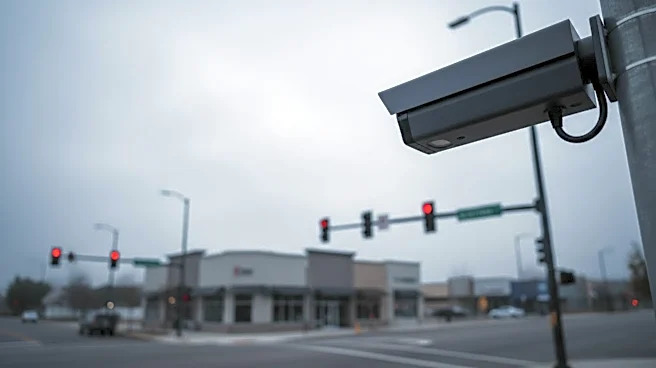




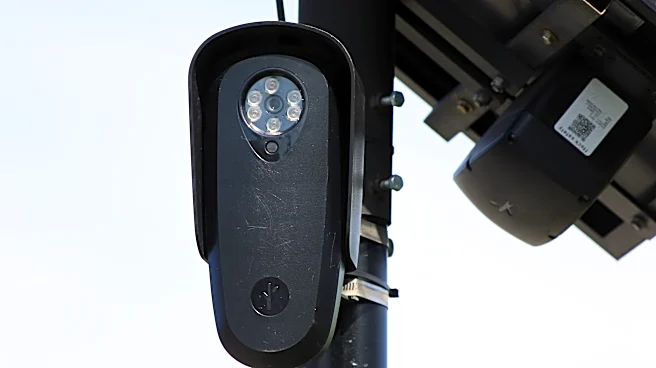

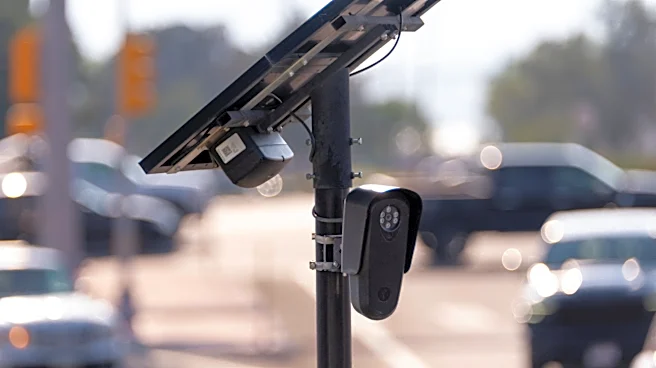
What's Happening?
An officer with the Lufkin Police Department (LPD), Zachary Anthony Klein, has been arrested and charged with abuse of official capacity and tampering with a government record. This arrest follows an investigation into his potential misuse of Flock Automated
License Plate Reader technology. Klein, an 11-year veteran of the department, was booked into the Angelina County Jail. Additionally, a second officer has been placed on administrative leave as the investigation into their use of the technology continues. The LPD initiated an audit into the use of Flock cameras after becoming aware of potential issues and requested the assistance of the Texas Rangers for an independent investigation. As a result, the Lufkin Police Department has suspended the use of Flock cameras within the department.
Why It's Important?
This incident highlights significant concerns regarding the oversight and potential misuse of surveillance technologies, such as Automated License Plate Readers (ALPRs), by law enforcement agencies. The arrest of an officer and the suspension of Flock camera use by the Lufkin Police Department underscore the critical need for robust policies and accountability mechanisms when deploying such powerful tools. Misuse of these technologies can lead to violations of privacy rights and erode public trust in law enforcement. For communities, this investigation raises questions about data security, the scope of surveillance, and the potential for abuse of power. It also emphasizes the importance of internal audits and external investigations to ensure transparency and adherence to legal and ethical standards in policing. The outcome of this case could influence how other police departments across the U.S. manage and regulate their use of ALPR systems.
What's Next?
The investigation into the misuse of Flock camera technology by Lufkin Police Department officers is ongoing, with the Texas Rangers conducting an outside inquiry. Zachary Anthony Klein remains in the Angelina County Jail, and no bond has been set. The second officer involved is on administrative leave pending further investigation. The LPD has suspended the use of Flock cameras department-wide, a measure that will likely remain in effect until the investigation concludes and new protocols, if any, are established. The department has stated its commitment to transparency, suggesting that more information will be released as the investigation progresses. The findings could lead to further charges, policy changes within the LPD, and potentially broader discussions about the regulation of surveillance technology in law enforcement.
Beyond the Headlines
The misuse of ALPR technology by law enforcement has broader implications for civil liberties and the balance between security and privacy. While ALPRs are touted as effective tools for crime fighting, their ability to track vehicle movements extensively raises concerns about mass surveillance and the potential for data to be used for purposes beyond initial intent. This incident could fuel debates among civil rights advocates, policymakers, and law enforcement agencies about the appropriate legal frameworks and ethical guidelines for deploying such technologies. It also brings to light the challenges of internal accountability within police departments and the necessity of independent oversight to prevent abuses. The case may serve as a precedent for how similar incidents are handled in other jurisdictions, potentially leading to more stringent regulations and greater transparency in the use of surveillance tools nationwide.