




What's Happening?
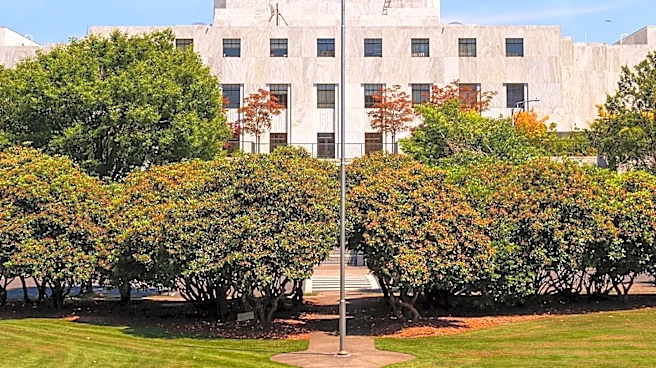
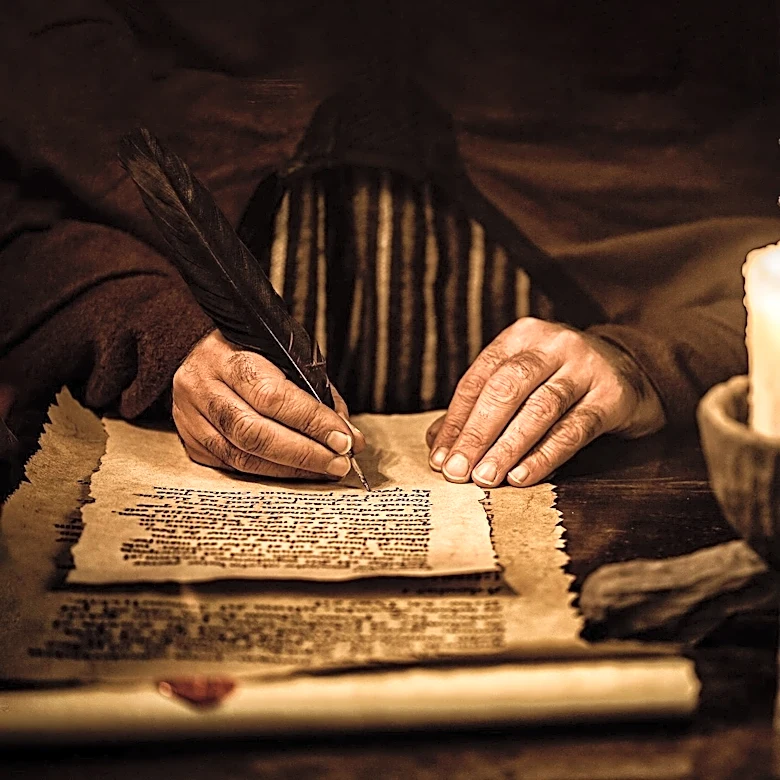
Linn County, Oregon, has made available transcribed marriage license and certificate information from the years 1900 to 1910. These records, originally microfilmed, are now accessible for public research, offering a valuable resource for genealogical
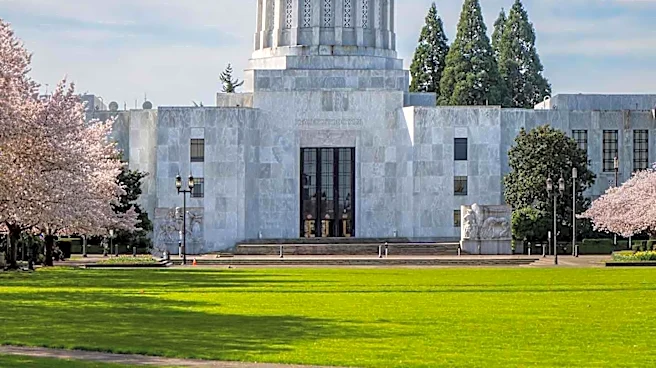
studies. The original documents are housed at the Linn County Courthouse in Albany. The transcriptions include details such as the names of the groom and bride, their ages (noted as 'over age' with legal ages being 21 for men and 18 for women, unless parental consent was provided for younger individuals), license and marriage dates, witnesses, and the officiant. Special notes are included for instances where the bride was listed as 'Mrs.', parties were from outside Linn County, or discrepancies existed between license and certificate information. The records also highlight that witnesses were often court employees, such as Daisy D. Savage and M. E. Bilyeu.
Why It's Important?
The release of these historical marriage records is significant for several reasons. For genealogists and family historians, it provides direct access to primary source data that can help trace family lineages and confirm ancestral connections within Linn County and surrounding areas. This initiative supports the broader movement towards open government data and accessibility of public records, fostering transparency and enabling citizens to engage with their local history. Economically, such resources can indirectly boost local tourism, as individuals travel to the county to conduct in-person research or visit ancestral sites. Socially, these records offer a glimpse into early 20th-century societal norms, migration patterns, and the legal framework surrounding marriage in Oregon, contributing to a richer understanding of the region's cultural heritage.
What's Next?
The availability of these records is a completed action, providing a static resource for researchers. Future developments might include further digitization efforts by Linn County or other Oregon counties to make more historical records accessible online, potentially expanding the scope beyond marriage certificates to include birth, death, and property records. This could involve collaborations with genealogical societies or historical preservation groups to enhance searchability and user experience. Researchers are encouraged to utilize these records in conjunction with other historical documents to build comprehensive family histories. The ongoing trend of digitizing historical archives suggests that similar initiatives will likely continue across the U.S., making local history more accessible to a global audience.
Beyond the Headlines
Beyond their immediate use for genealogy, these records offer profound insights into the demographic and social fabric of early 20th-century Oregon. The detailed entries, including ages and places of origin, can reveal patterns of migration, settlement, and community formation. The mention of parental consent for underage marriages underscores historical legal and social attitudes towards marriage and family authority. The shift to typewritten licenses, as noted in one entry, also subtly marks technological advancements in record-keeping. Such archives serve as crucial tools for academic research in sociology, history, and demography, allowing scholars to analyze long-term trends in family structure, population movements, and the evolution of legal practices in the United States.