
What's Happening?
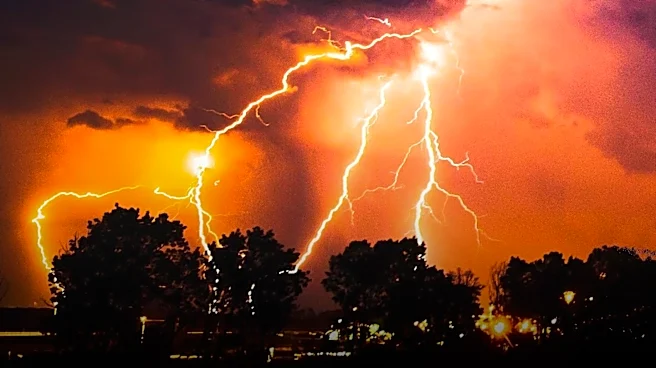
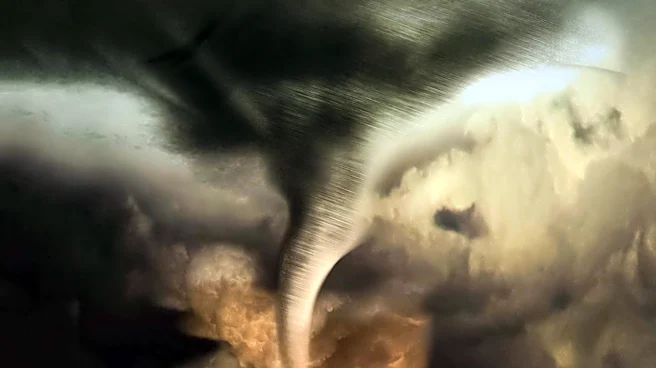
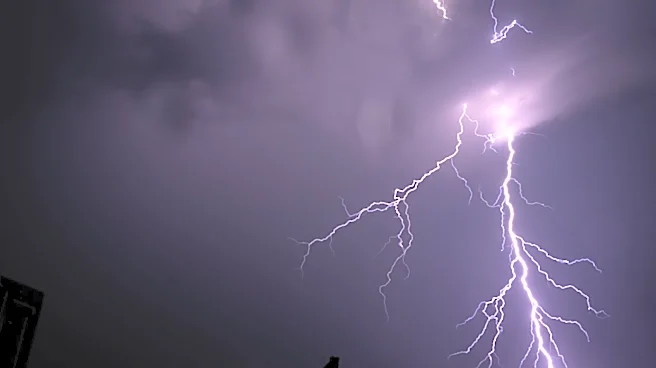
Intense storms impacted central North Carolina on Friday, leading to a lightning delay at the Jordan Davis concert at Red Hat Amphitheater in Raleigh. The region experienced severe weather warnings, including tornado warnings in Moore, Chatham, Montgomery,
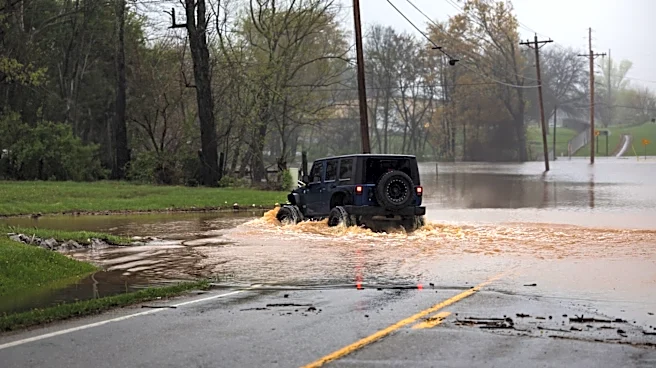
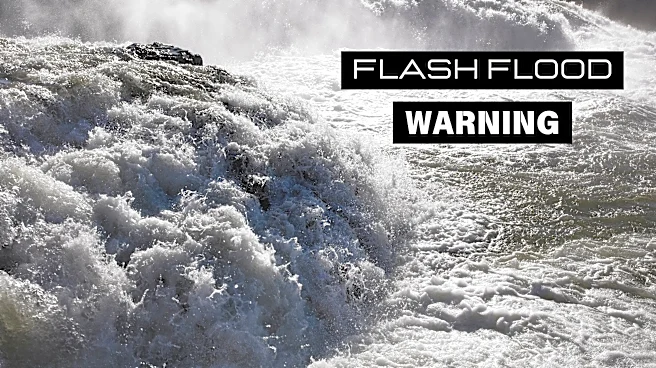
and Randolph counties, which later expired. The National Weather Service also issued severe thunderstorm warnings for Wake and Durham counties, with threats of 60-mph wind gusts. Heavy rain and potential flooding were anticipated across central North Carolina, prompting a WRAL Weather Alert Day. In Raleigh, crews responded to a townhome fire along Wyatt Brook Way after a lightning storm, though it remains unclear if lightning directly caused the fire.
Why It's Important?
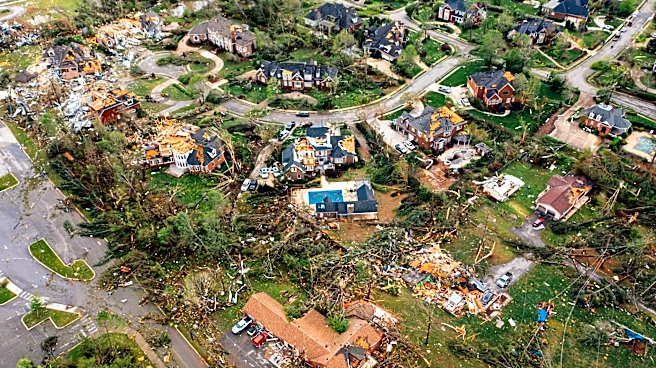
The widespread severe weather across central North Carolina highlights the significant impact of meteorological events on daily life and public safety. Lightning delays at public events like concerts underscore the immediate need for safety protocols to protect large gatherings from natural hazards. The issuance of tornado and severe thunderstorm warnings indicates a substantial threat to property and life, requiring rapid response from emergency services and vigilance from residents. Furthermore, the reported townhome fire in Raleigh, potentially linked to lightning, illustrates the destructive power of these storms beyond just wind and rain. These events collectively emphasize the importance of robust weather forecasting, public alert systems, and community preparedness in mitigating the risks associated with severe weather phenomena.
What's Next?
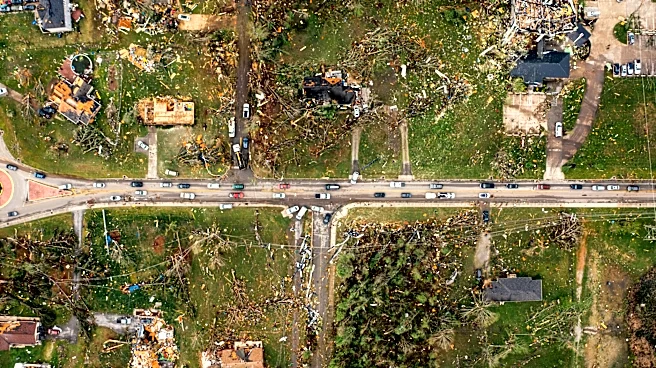
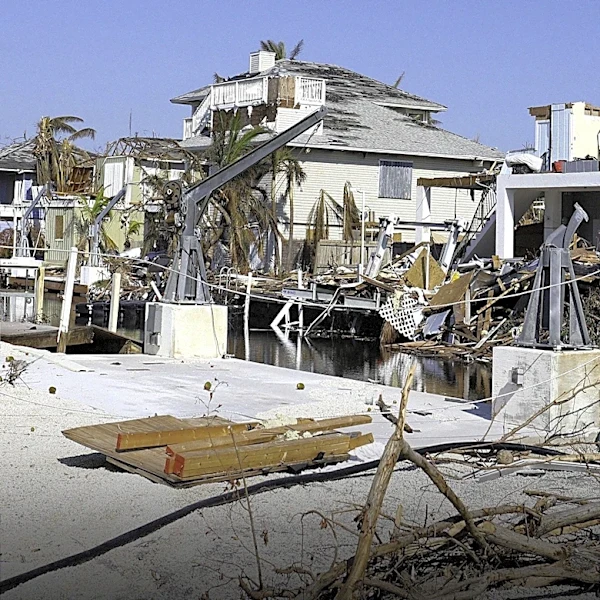
As the immediate severe weather passes, authorities will assess the full extent of any damage caused by the storms, including property damage from wind, rain, and potential lightning strikes. Emergency services will continue to respond to any lingering issues, such as power outages or localized flooding. Residents will be advised to remain cautious of potential hazards like downed power lines or debris. Meteorologists will analyze the storm patterns to provide updated forecasts and assess any ongoing risks. For event organizers like Red Hat Amphitheater, post-storm evaluations will likely include reviewing safety procedures and communication strategies for future weather-related disruptions, ensuring efficient and safe management of attendees.
Beyond the Headlines
The recurring nature of severe weather events in regions like central North Carolina points to broader discussions about climate patterns and their potential influence on storm intensity and frequency. Beyond immediate safety concerns, these incidents can have long-term economic impacts on communities, affecting infrastructure, agriculture, and local businesses. The need for resilient urban planning, improved drainage systems, and weather-resistant construction becomes more apparent with each severe weather episode. Furthermore, public awareness campaigns about severe weather preparedness, including understanding warning systems and having emergency plans, are crucial for building community resilience against increasingly unpredictable weather phenomena. The incident also subtly highlights the role of local news outlets like WRAL in providing real-time, critical information during emergencies.