








What's Happening?
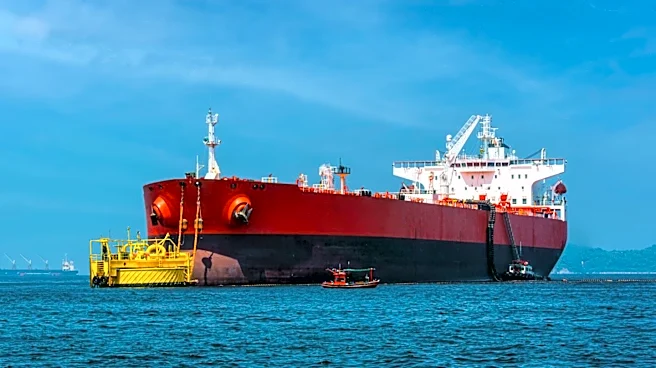
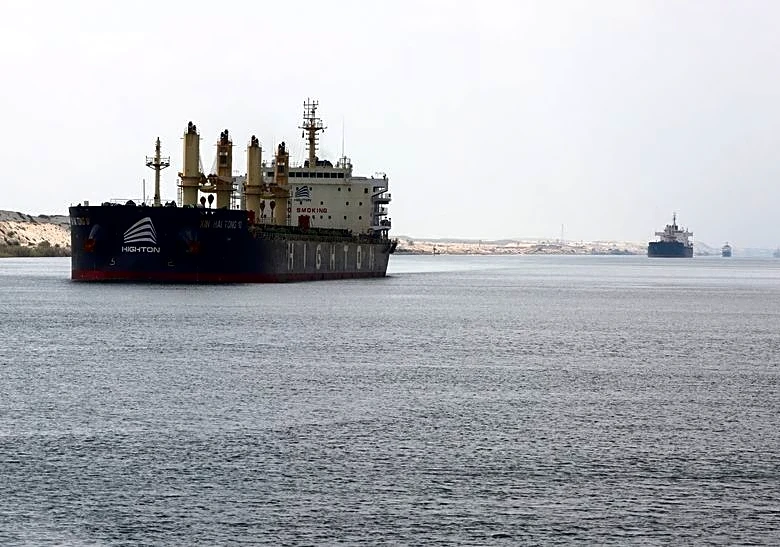
The ongoing military conflict between the U.S. and Iran has significantly impacted global oil prices, primarily due to tensions surrounding the Strait of Hormuz. This strategic waterway, through which approximately 20% of the world's daily crude oil supply
passes, has become a focal point of geopolitical risk. Iran's Islamic Revolutionary Guard Corps Navy has been actively stopping vessels attempting to transit the strait without authorization, leading to reduced tanker throughput and increased maritime insurance premiums. Additionally, recent attacks on Kuwaiti oil facilities and power infrastructure have introduced further production-side risks. The collapse of an interim ceasefire has exacerbated market uncertainties, forcing participants to price for a prolonged conflict. As a result, crude oil prices have surged, with Brent crude reaching approximately $88 per barrel and WTI crude experiencing a 4.48% single-day increase.
Why It's Important?
The situation in the Strait of Hormuz is a critical stress test for the global energy supply chain. The strait's role as a major chokepoint means that any disruption can have far-reaching consequences for fuel prices, manufacturing costs, and financial markets worldwide. The current conflict has led to a structural repricing of supply risk, with significant implications for economies heavily reliant on oil imports, particularly in Asia and Europe. The increased geopolitical risk premium embedded in oil prices reflects the market's anticipation of potential supply disruptions. This scenario underscores the vulnerability of global energy markets to regional conflicts and highlights the strategic importance of diversifying energy supply sources.
What's Next?
The continuation of military hostilities and Iran's strategic use of the Strait of Hormuz as leverage suggest that oil prices may remain volatile. Market participants are likely to monitor developments closely, with potential scenarios including coordinated tanker targeting or a sustained naval blockade, which could drive prices even higher. The responses of Gulf states, such as Saudi Arabia and the UAE, will be crucial in determining the stability of regional energy infrastructure. Additionally, the conflict may accelerate investments in alternative energy sources and supply diversification, as countries seek to mitigate their dependence on Gulf oil.
Beyond the Headlines
The long-term implications of the U.S.-Iran conflict extend beyond immediate price fluctuations. The sustained instability in the Gulf region could lead to a permanent repricing of Middle East risk premiums, affecting insurance markets, shipping operators, and energy traders. This situation may also prompt accelerated investment in non-Gulf crude supply streams and LNG import terminals, as countries aim to reduce their reliance on vulnerable supply chains. The conflict's impact on OPEC's production strategies and the potential for increased U.S. shale production are additional factors that could reshape the global energy landscape.