


What's Happening?
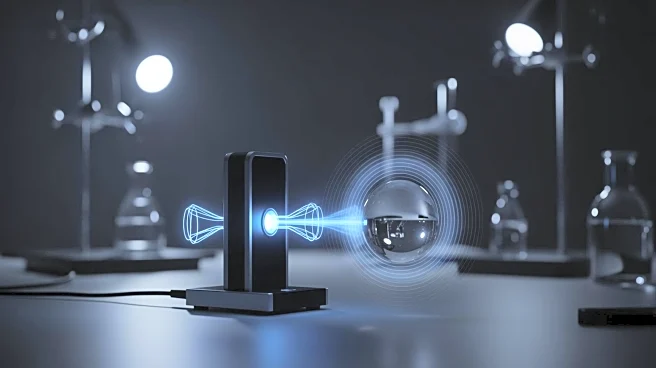
A Norwegian government scientist reportedly developed symptoms similar to the so-called 'Havana syndrome' after testing an electromagnetic pulse-emitting device on himself. The Washington Post reported that the scientist, who was skeptical of the theory
that such devices could cause health issues, constructed the device using classified information. The symptoms he experienced were not publicly detailed but aligned with those reported by U.S. diplomats and personnel in various countries since 2016. These symptoms include dizziness, headaches, and cognitive difficulties. The term 'Havana syndrome' originated after U.S. embassy staff in Havana, Cuba, reported these health issues. Despite ongoing investigations, the U.S. intelligence community, including the CIA, has assessed that it is 'very unlikely' a foreign country is behind these incidents, although some agencies have revised their conclusions to suggest possible foreign involvement.
Why It's Important?
The development is significant as it adds to the ongoing debate and investigation into the causes of Havana syndrome, a condition that has affected hundreds of U.S. diplomats and intelligence officers worldwide. The incident involving the Norwegian scientist highlights the potential risks associated with electromagnetic devices and the need for further research into their effects. The U.S. government has been under pressure to determine the cause of these health incidents, which have diplomatic and security implications. If foreign involvement is confirmed, it could lead to heightened tensions and necessitate policy responses. The situation underscores the challenges in addressing non-traditional security threats and the importance of scientific inquiry in understanding and mitigating such risks.
What's Next?
Further investigations are likely to continue as the U.S. and other countries seek to understand the origins and mechanisms behind Havana syndrome. The incident with the Norwegian scientist may prompt additional research into electromagnetic devices and their potential health impacts. Governments may also increase collaboration to address the issue, potentially leading to new international protocols or agreements. The U.S. intelligence community may revisit its assessments as new evidence emerges, and diplomatic efforts could be intensified to address any confirmed foreign involvement.
Beyond the Headlines
The incident raises ethical questions about the self-experimentation of potentially harmful technologies and the responsibilities of scientists in conducting such research. It also highlights the broader implications of emerging technologies and their potential misuse. The situation may lead to increased scrutiny of research practices and the need for regulatory frameworks to ensure the safe development and use of new technologies. Additionally, the ongoing mystery of Havana syndrome reflects the complexities of modern intelligence and diplomatic challenges, where unconventional threats require innovative solutions.