




What's Happening?
The International Labour Organization (ILO) will convene its 358th Governing Body session at its headquarters in Geneva from November 9 to 19, 2026. A central event during this session will be the election and appointment of the ILO's next Director-General
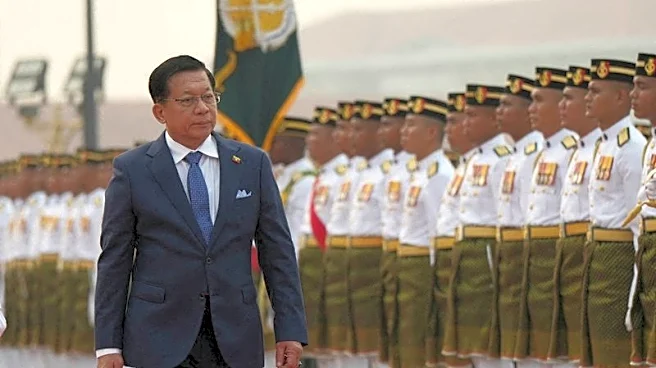
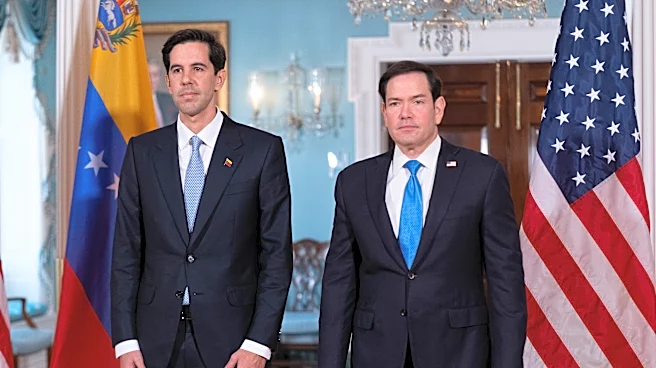
on November 16, 2026. The newly elected Director-General will serve a five-year term, commencing on October 1, 2027, and concluding on September 30, 2032. The agenda for the session is extensive, including discussions on a draft global roadmap for the transition to formality for decent work for the period 2027-2032. This roadmap aims to advance global efforts in reducing informal employment and promoting improved working conditions worldwide. Additionally, the Governing Body will review the follow-up actions stemming from previous standard-setting discussions concerning decent work within the platform economy. Members will also assess the organization's financial status, including contingency measures implemented to address financial challenges, progress on ILO reform initiatives, and preliminary proposals for the 2028-2029 Programme and Budget. Country-specific developments regarding the application of conventions in Belarus, Myanmar, and the Bolivarian Republic of Venezuela will also be examined.
Why It's Important?
The upcoming ILO Governing Body session is significant as it will shape the strategic direction and leadership of a key international body dedicated to labor rights and social justice. The election of a new Director-General will influence the ILO's priorities and its approach to global labor issues for the next five years. The discussion on a global roadmap for transitioning to formal work is crucial for addressing widespread informal employment, which often lacks social protections and decent working conditions. This initiative could lead to policy recommendations and support for member states, potentially impacting labor markets globally by promoting more stable and equitable employment. Furthermore, the review of the ILO's financial situation and reform measures underscores the organization's commitment to operational efficiency and its ability to effectively implement its mandate. The examination of labor convention applications in specific countries highlights the ILO's role in monitoring and advocating for adherence to international labor standards, which can have direct implications for workers' rights and conditions in those nations.
What's Next?
Following the 358th session, the newly elected Director-General will begin preparations for their five-year term, which officially starts on October 1, 2027. The outcomes of the discussions on the global roadmap for formality are expected to lead to further development and eventual adoption of strategies to combat informal work. Member states and social partners will likely be called upon to implement these strategies at national levels, potentially leading to new legislative frameworks or policy initiatives aimed at formalizing employment. The ongoing review of the ILO's financial health and reform progress will continue to guide its administrative and programmatic decisions, influencing its capacity to deliver on its objectives. The country-specific reviews regarding labor conventions may result in recommendations or further engagement with Belarus, Myanmar, and Venezuela to encourage compliance with international labor standards. The ILO's decisions from this session will set the stage for its work in promoting decent work and social justice globally in the coming years.
Beyond the Headlines
The ILO's focus on transitioning to formality for decent work reflects a broader global challenge of precarious employment and the need for more inclusive economic models. This initiative goes beyond mere job creation, aiming to ensure that work provides adequate income, social protection, and rights. The discussions on the platform economy also highlight the evolving nature of work and the challenges of applying traditional labor standards to new forms of employment. The ILO's efforts in this area could influence how countries regulate gig economies and protect workers in non-traditional employment arrangements. The ongoing scrutiny of member states' adherence to labor conventions underscores the ethical dimension of international labor law, emphasizing accountability and the universal applicability of human rights in the workplace. The session's outcomes will not only shape labor policies but also contribute to the broader discourse on sustainable development, social equity, and the future of work in an increasingly globalized and digitalized world.