







What's Happening?
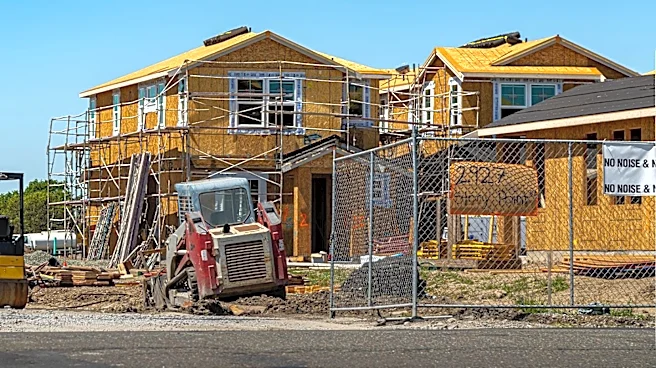
U.S. Senator Peter Welch (D-Vt.), Ranking Member of the Senate Agriculture Subcommittee on Rural Development, Energy, and Credit, participated in the groundbreaking ceremony for a new affordable housing development in Burlington, Vermont. This project,
spearheaded by the Champlain Housing Trust, will create 30 permanently affordable condominium homes in Burlington’s Cambrian Rise neighborhood. A significant portion of these units will be sold to low-income households, specifically those earning at or below 80% of the average median income, aiming to remove barriers to homeownership for Vermonters. The initiative is supported by $20 million in New Markets Tax Credits (NMTC), a federal program designed to encourage private investment in community development and economic growth in distressed areas. Senator Welch has been a proponent of such efforts, having cosponsored the New Markets Tax Credit Extension Act, which permanently extended the NMTC Program last year. Michael Monte, CEO of Champlain Housing Trust, highlighted that this development not only provides affordable housing but also generates jobs and contributes to Burlington's tax base, with a lasting impact on affordability through their shared equity homeownership program.
Why It's Important?
Vermont is currently grappling with a severe housing affordability crisis, characterized by home prices that have more than doubled over the past decade, making homeownership increasingly unattainable for many families. This new development directly addresses this issue by increasing the supply of affordable housing units. The use of federal investments, such as the New Markets Tax Credits, demonstrates a strategy to leverage public-private partnerships to tackle housing shortages. By focusing on low-income households, the project aims to foster economic stability and provide opportunities for wealth building within the community. The emphasis on permanently affordable housing through shared equity programs ensures that the benefits extend to future generations, mitigating the cyclical nature of housing unaffordability. Furthermore, the project's contribution to local job creation and the tax base underscores the broader economic benefits of investing in affordable housing initiatives, moving beyond just providing shelter to fostering community development.
What's Next?
Senator Welch continues to advocate for policies aimed at alleviating the affordable housing crisis. He recently introduced the Supporting Small Affordable Housing Developers Act, which seeks to exempt grants for affordable housing development from taxation, thereby empowering smaller, rural developers. Additionally, he cosponsored the Build American Efficiency Act, a bipartisan, bicameral bill designed to reduce costs and red tape for homebuilders addressing the national housing shortage. Other legislative efforts include the bipartisan FARM Home Loans Act to boost rural economic growth by assisting more homebuyers with rural housing assistance, the First-Time Homebuyer Tax Credit Act to support middle-class first-time buyers, and the End Rent Fixing Act to combat practices that artificially inflate rents. These ongoing legislative endeavors indicate a sustained focus on creating a more accessible and affordable housing market across various demographics and regions in the U.S.
Beyond the Headlines
The housing affordability crisis in Vermont, as highlighted by Senator Welch, reflects a broader national challenge where rising housing costs outpace income growth, making the 'American dream of homeownership' increasingly elusive. The reliance on federal programs like the New Markets Tax Credits underscores the critical role of government intervention and incentives in stimulating affordable housing development. The 'shared equity homeownership program' mentioned by the Champlain Housing Trust represents an innovative model that aims to preserve affordability long-term, addressing not just the immediate need for housing but also the systemic issues that lead to housing insecurity. This approach could serve as a blueprint for other communities facing similar challenges, promoting sustainable homeownership and community stability. The bipartisan nature of some of the proposed legislation suggests a growing recognition across the political spectrum of the urgency and widespread impact of the housing crisis, potentially paving the way for more comprehensive national strategies.