
What's Happening?
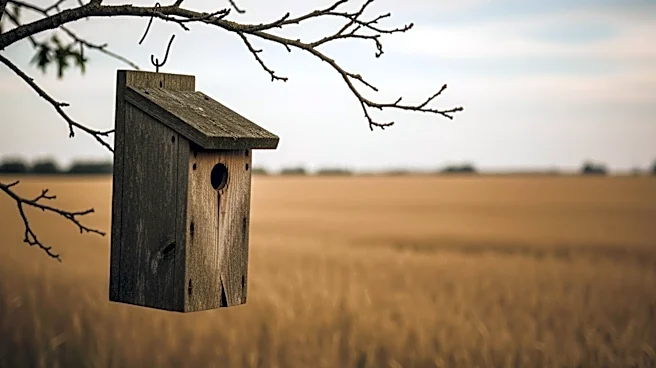
A recent study conducted by Ohio State University has revealed that bird populations in North America, particularly in agriculture-intensive regions like the Midwest, are declining at an accelerated rate.
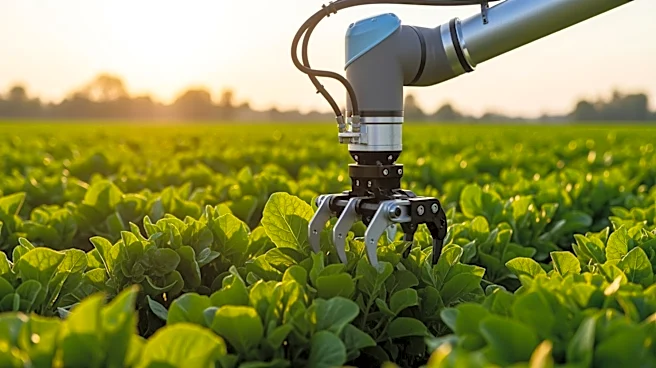
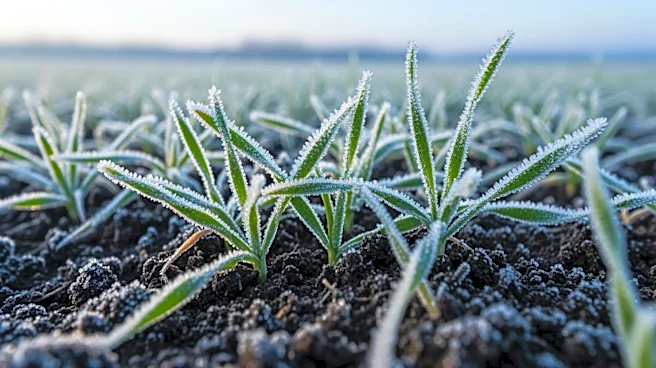
The study, published in Science, highlights that over 120 bird species are experiencing declines, with more than half showing accelerated decline due to agricultural practices. The research points to increased pesticide and fertilizer use, along with the reduction of native plants, as significant factors contributing to this trend. The study builds on previous findings that have documented bird population losses since the 1970s, emphasizing the role of agriculture in exacerbating these declines.
Why It's Important?
The accelerated decline of bird populations in agricultural areas has significant ecological implications. Birds play crucial roles in ecosystems, such as controlling insect populations, pollinating plants, and dispersing seeds. Their decline could disrupt these ecological functions, leading to broader environmental consequences. The study underscores the need for sustainable agricultural practices that balance food production with environmental conservation. It also highlights the importance of engaging farmers in conservation efforts, as they are key stakeholders in implementing changes that could mitigate the negative impacts of agriculture on bird populations.
What's Next?
The study's findings are expected to spark discussions among agricultural stakeholders, conservationists, and policymakers about strategies to address the decline in bird populations. Potential measures could include promoting agricultural practices that preserve habitats and reduce chemical use. Further research is needed to explore localized solutions and to understand the specific agricultural practices that most significantly impact bird populations. Engaging farmers in these discussions will be crucial, as they have firsthand experience and insights into the practicalities of implementing conservation measures.