



What's Happening?
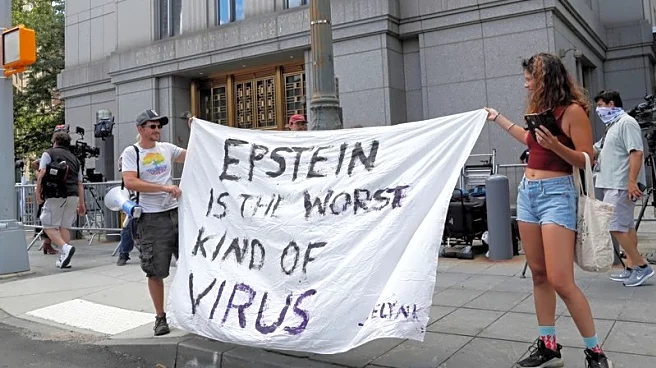
Princess Beatrice and Princess Eugenie have been informed that they will not participate in the royal carriage procession at the upcoming Royal Ascot. This decision comes amid ongoing scrutiny of their family's connections to Jeffrey Epstein. Documents
have surfaced indicating that Princess Beatrice was involved in discussions about managing media narratives concerning her mother's relationship with Epstein. Although there is no suggestion of criminal wrongdoing by Beatrice, the revelations have intensified public and royal scrutiny. Additionally, Prince William has been advocating for the removal of Prince Andrew, their father, from the line of succession, reflecting a broader push for a 'slimmed-down monarchy.' King Charles, however, has maintained that Andrew's children should not be penalized for their father's actions.
Why It's Important?
The exclusion of Princess Beatrice and Eugenie from the Royal Ascot carriage procession is significant as it symbolizes their diminished status within the royal family. This move aligns with Prince William's efforts to distance the monarchy from the controversies surrounding Prince Andrew and the Epstein scandal. The decision also highlights the ongoing tension between the desire for a modernized, streamlined monarchy and the traditional roles of royal family members. The situation underscores the challenges faced by the royal family in managing public perception and maintaining its relevance in the face of scandals. The potential removal of Prince Andrew from the line of succession could have lasting implications for the royal family's structure and public image.
What's Next?
The royal family's handling of the Epstein scandal and its impact on the York sisters will likely continue to evolve. Prince William's push for a more streamlined monarchy suggests that further changes could be on the horizon, potentially affecting other non-working royals. The government's consideration of legal changes to remove Prince Andrew from the line of succession indicates that this issue may soon be addressed at a legislative level. Public and political pressure for accountability and transparency within the monarchy is expected to persist, influencing future decisions regarding royal roles and responsibilities.
Beyond the Headlines
The situation raises broader questions about the ethical responsibilities of public figures and the extent to which family members should be held accountable for the actions of their relatives. The royal family's response to the Epstein scandal may set a precedent for how similar issues are handled in the future, both within the monarchy and in other public institutions. The emphasis on a 'slimmed-down monarchy' reflects a shift towards a more modern and accountable royal family, which could influence public perceptions and the monarchy's role in contemporary society.