







What's Happening?
Assemblyman David Tangipa has emphasized the need for practical leadership and regulatory reform to support California's agriculture sector. In a recent interview, Tangipa highlighted the challenges faced by farmers due to increasing regulations that
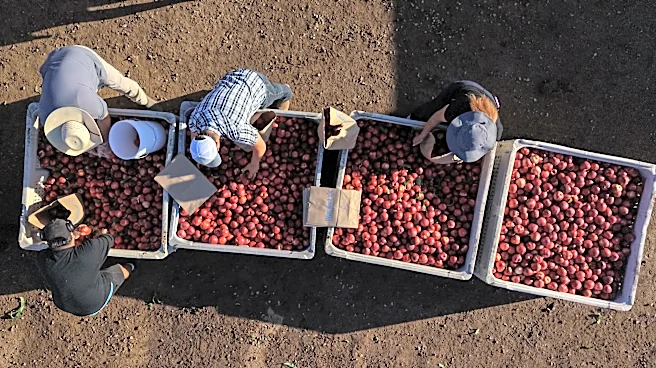
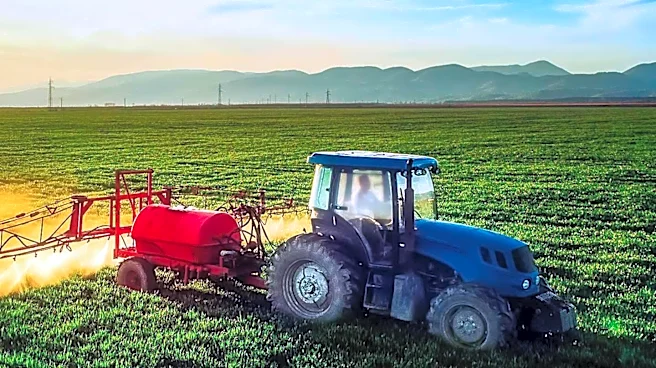
raise production costs and hinder competitiveness. He criticized proposals to expand taxes on business services, which could further burden agricultural operations. Tangipa also stressed the importance of investing in water infrastructure to ensure reliability amidst droughts and abundant rainfall. Additionally, he advocated for improved wildfire preparedness through proactive forest management. Tangipa believes that California's farmers are among the most innovative globally, but they operate under restrictive regulations that need reform to encourage investment and reduce uncertainty.
Why It's Important?
Tangipa's call for regulatory reform is significant as it addresses the pressing issues facing California's agriculture, a critical sector for the state's economy. The proposed changes could enhance the competitiveness of California's farmers by reducing operational costs and improving resource management. This is particularly important as the state prepares for the 2026 gubernatorial election, where agricultural policies will be a key issue. The outcome of these reforms could influence the broader U.S. agricultural landscape, as California is a major producer of various crops. Effective policy changes could serve as a model for other states facing similar challenges.
What's Next?
As California approaches the 2026 gubernatorial election, voters will need to consider candidates' positions on agriculture, water, and rural economic development. Tangipa's advocacy for reform may influence the political discourse and shape future policies. The agriculture sector will be watching closely to see if these proposed changes gain traction and lead to tangible improvements in regulatory frameworks. The success of these reforms could depend on collaboration between lawmakers and the farming community to ensure that policies are practical and supportive of agricultural growth.