









What's Happening?
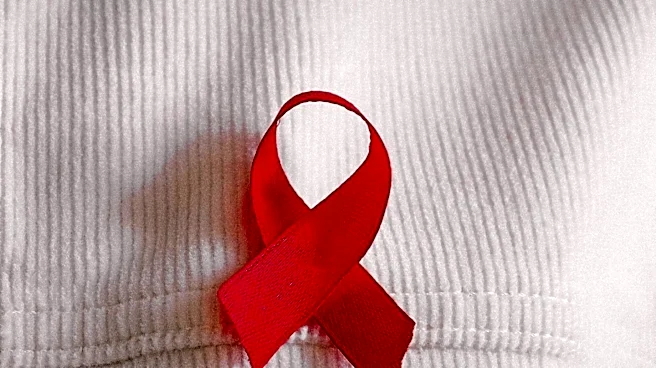
Millions of HIV/AIDS patients, primarily in Africa, are facing uncertainty as U.S.-funded programs approach a financial cliff. The U.S. State Department is restructuring the President’s Emergency Plan for AIDS Relief (PEPFAR), shifting control from the CDC
to the State Department. This change is part of the 'America First Global Health Strategy,' which emphasizes bilateral agreements over multilateral aid. Critics argue that this could undermine the effectiveness of PEPFAR, which has been instrumental in saving millions of lives since its inception in 2003. The restructuring could lead to significant disruptions in services, as 120 funding awards are set to expire without clear replacement mechanisms.
Why It's Important?
PEPFAR is a cornerstone of global health initiatives, credited with significant reductions in HIV/AIDS-related deaths and infections. The restructuring could jeopardize these achievements, affecting millions of patients who rely on U.S.-funded services. The shift in strategy reflects broader changes in U.S. foreign aid policy, prioritizing direct bilateral agreements. This could lead to reduced funding for systemic health initiatives, impacting global health security and the U.S.'s role in international health efforts. The potential loss of services could have dire consequences for affected communities, particularly in countries heavily reliant on PEPFAR support.
What's Next?
The expiration of funding awards in September could lead to immediate service disruptions. The State Department's new strategy will require rapid implementation of bilateral agreements, which may not be feasible in the short term. Stakeholders, including health organizations and affected countries, will need to adapt to the new funding model. The U.S. Congress may intervene to address funding gaps and ensure continuity of services. The situation will require careful management to prevent a public health crisis and maintain the progress made in combating HIV/AIDS globally.