






What's Happening?
The Trump administration's policies have led to significant challenges for U.S. national parks, including staff shortages and financial redirection. Over 1,000 National Park Service (NPS) employees were laid off, and a larger portion of park entry fees
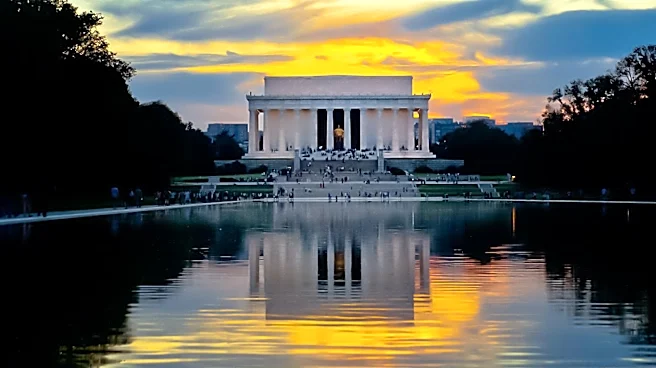
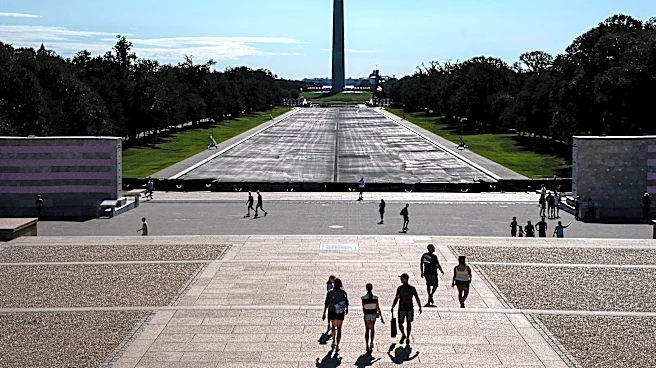
is being diverted to projects in Washington, D.C., such as the Lincoln Memorial Reflecting Pool. This has resulted in a strained workforce, with rangers taking on additional duties like fee collection and maintenance. The removal of the timed-entry reservation system has increased visitor numbers, exacerbating the pressure on park resources. Local businesses reliant on park tourism are also feeling the impact, with some reporting a decline in international visitors due to increased fees.
Why It's Important?
The changes in national park policies under the Trump administration have broader implications for environmental conservation and local economies. The redirection of funds away from parks could hinder maintenance and conservation efforts, potentially leading to long-term ecological damage. The increased visitor numbers without adequate staffing could degrade the visitor experience and the natural environment. Local businesses that depend on tourism are facing economic challenges, which could lead to job losses and reduced economic activity in regions surrounding national parks. The situation highlights the delicate balance between increasing accessibility and preserving natural resources.
What's Next?
The ongoing strain on national parks may prompt calls for policy revisions and increased funding to address staffing shortages and maintenance backlogs. Stakeholders, including environmental groups and local businesses, may advocate for more transparent and equitable distribution of park fees. The administration's approach to park management could become a point of contention in political debates, influencing future policy decisions. Additionally, there may be increased scrutiny on how funds are allocated and used for national projects versus local park needs.
Beyond the Headlines
The situation raises ethical questions about the prioritization of national versus local interests in public land management. The redirection of funds to high-profile projects in Washington, D.C., at the expense of local park needs, could be seen as prioritizing political visibility over environmental stewardship. The impact on wildlife, such as increased human-wildlife interactions due to higher visitor numbers, could have long-term ecological consequences. The policies may also affect the cultural and historical preservation efforts within national parks, as resources are stretched thin.