

What's Happening?
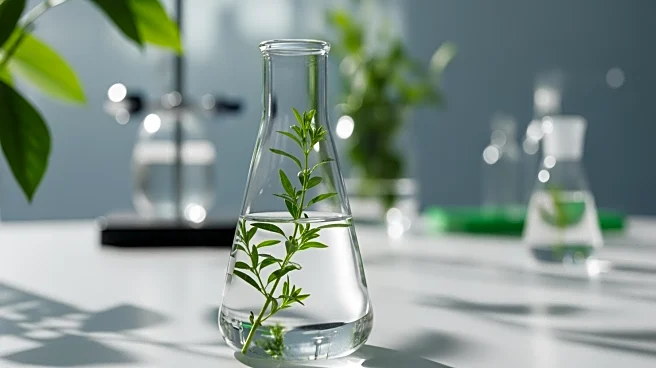
Chinese scientists have developed a method to transform desert sand into fertile soil within 10 months using lab-grown microbes. This process involves binding loose desert sand into a stable layer that resists wind erosion, allowing for the planting of
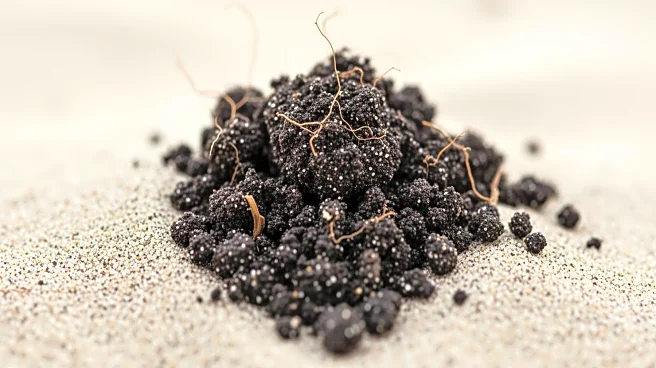
shrubs and grasses. The method was tested near the Taklamakan Desert in Xinjiang, where the Chinese Academy of Sciences (CAS) observed the stabilization of sand within 10 to 16 months. The technique utilizes cyanobacteria, which are ancient, sunlight-powered bacteria capable of nitrogen fixation, to create a biological soil crust. This crust acts as a glue, holding sand grains together and preventing invasive plants from taking root. The process also enhances the soil's ability to retain moisture and nutrients, creating a more hospitable environment for plant growth.
Why It's Important?
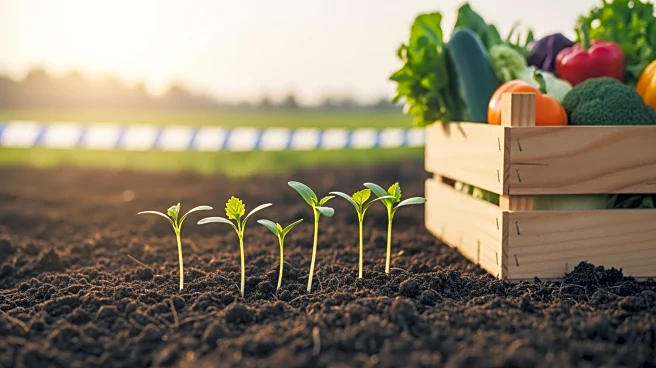
This development has significant implications for combating desertification, a major environmental challenge affecting many regions worldwide. By converting desert areas into arable land, this method could potentially increase agricultural productivity and food security. It also offers a sustainable solution to land degradation, which is exacerbated by climate change and human activities. The ability to stabilize desert sands and promote plant growth could help reduce the frequency and severity of sandstorms, improve air quality, and support biodiversity. Additionally, this innovation aligns with global efforts to restore degraded lands and mitigate the impacts of climate change.
What's Next?
The next steps involve scaling up the application of this method to larger desert areas and monitoring its long-term effectiveness and environmental impact. Researchers will need to assess the durability of the biological soil crusts and their ability to withstand various climatic conditions. There may also be a need to develop strategies for protecting these crusts from human activities such as vehicle traffic and grazing. If successful, this technology could be adapted for use in other desert regions around the world, contributing to global land restoration efforts.