



What's Happening?
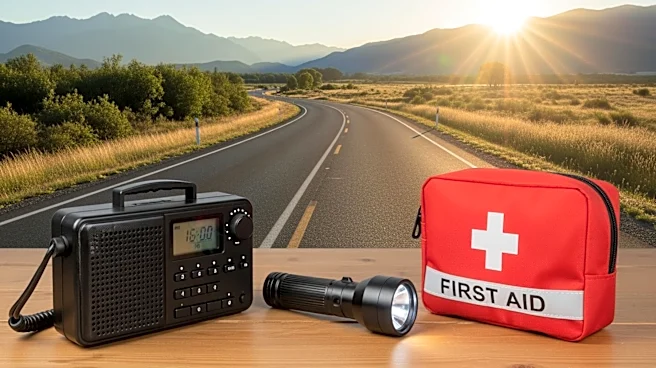
The Oregon Department of Emergency Management is offering a series of free webinars aimed at helping rural communities prepare for and respond to disasters such as floods, extreme heat, and wildfires. The two-part series, titled 'Rural Communities Prepared
for Disasters,' will feature disaster response experts who will provide tools, resources, and insights tailored to the needs of rural Oregonians. The first session, 'Preparedness and Response,' is scheduled for April 22 and will cover topics such as communication system impacts during disasters, evacuation procedures, and backup power options. The second session, 'Recovery and Long-term Support,' will take place on May 13, focusing on disaster recovery funding, the recovery process, and the role of long-term recovery groups. Kayla Thompson, the community preparedness coordinator, emphasized the importance of having information and connections before disasters occur to strengthen community resilience.
Why It's Important?
These webinars are crucial for rural communities that often face unique challenges in disaster preparedness and recovery due to limited resources and infrastructure. By providing tailored information and resources, the Oregon Department of Emergency Management aims to enhance the resilience of these communities, ensuring they are better equipped to handle emergencies. The initiative highlights the importance of proactive disaster planning and the need for accessible education on disaster response and recovery. This effort could serve as a model for other states looking to improve disaster preparedness in rural areas, potentially reducing the impact of natural disasters on vulnerable populations.
What's Next?
Following the webinars, the Oregon Department of Emergency Management plans to make the sessions available on their YouTube channel, allowing broader access to the information shared. This approach ensures that even those unable to attend the live sessions can benefit from the knowledge and resources provided. The department may also consider expanding the program based on feedback and demand, potentially offering additional sessions or resources to further support rural communities in disaster preparedness and recovery efforts.