





What's Happening?
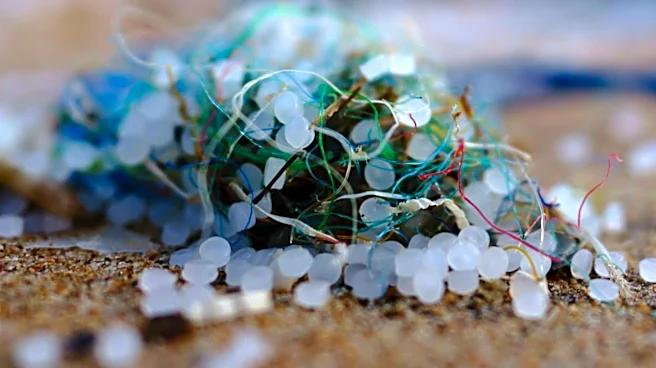
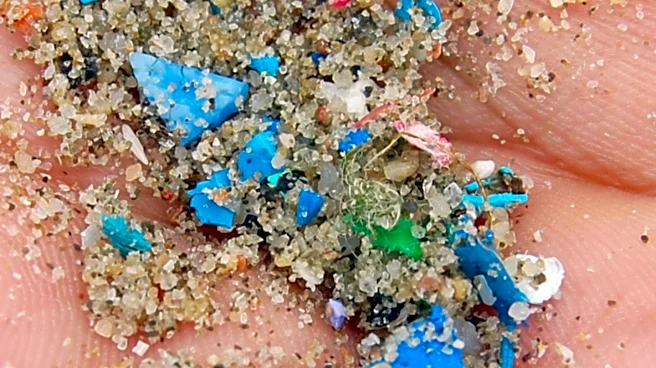
A recent study published in the journal Nature challenges the long-held belief that plastics are chemically inert, particularly concerning microplastics. The research found that when microplastics come into contact with water, they act as a catalyst to produce
free radicals. These unstable molecules are known to be linked to inflammation and various diseases in the human body. Dr. Leonardo Trasande, a pediatrician and director of the NYU Center for the Investigation of Environmental Hazards, who was not involved in the study, explained that this finding indicates microplastics are not inert but are biologically active. Unlike larger plastic pieces, microplastics possess a significantly greater surface area relative to their volume, creating conditions conducive to these chemical reactions. This research provides a potential mechanism explaining how microplastics contribute to health issues like inflammation and hormone disruption, which have been previously observed.
Why It's Important?
This study is highly significant for public health in the U.S., as microplastics are ubiquitous in the environment and human bodies. The revelation that microplastics are chemically volatile and can generate free radicals suggests a direct pathway for their observed health impacts, including cardiovascular disease and endocrine disruption. This understanding could prompt increased scrutiny and potential regulation of plastic production and disposal within the U.S. The economic implications are substantial, as the disease burden from plastic chemicals already costs the U.S. economy an estimated $250 billion annually, representing 1.2 percent of the gross domestic product. This new scientific evidence could strengthen calls for policy changes, impacting industries from manufacturing to healthcare, and potentially driving innovation in safer material alternatives and waste management technologies. Consumers may also become more proactive in reducing their plastic exposure, influencing market demand for plastic-free products.
What's Next?
The findings of this study are likely to fuel further research into the specific mechanisms by which microplastics affect human health and the full extent of their biological activity. Policymakers in the U.S. may face increased pressure to develop and implement stricter regulations on plastic production, usage, and disposal, potentially including measures to reduce microplastic release into the environment. Public health organizations will likely issue updated guidelines for reducing exposure to microplastics. Consumers are encouraged to adopt practices such as using glass and stainless steel alternatives, avoiding microwaving plastics, and cooking at home with nonstick-free cookware. This research could also stimulate greater investment in developing innovative materials and advanced recycling technologies to mitigate the health risks associated with microplastics.
Beyond the Headlines
The study's findings extend beyond immediate health concerns, touching upon deeper ethical and societal implications. The pervasive presence of microplastics, now understood to be chemically active, raises questions about environmental justice, as vulnerable populations often bear a disproportionate burden of pollution. Ethically, it underscores the long-term consequences of industrial practices and the need for greater corporate responsibility in product lifecycle management. Legally, it could provide a stronger scientific basis for litigation against polluters and for establishing new environmental protection laws. Culturally, this research may accelerate a societal shift away from single-use plastics and towards more sustainable consumption patterns, fostering a greater appreciation for environmental health as an integral part of human well-being. It highlights the interconnectedness of environmental and human health, urging a holistic approach to policy and lifestyle choices.