








What's Happening?
Governor Jared Polis, alongside local leaders and representatives from Colorado Parks and Wildlife and Colorado Springs Utilities, participated in a groundbreaking ceremony for a new recreation area at Rosemont Reservoir. This new area, which could be
operational as early as 2027, will offer expanded outdoor activities including camping, fishing, paddling, and picnicking. The initiative is the result of an agreement between Colorado Springs Utilities and Parks and Wildlife, which was finalized in January. Previously, the reservoir, owned by Utilities since 1973 and managed by Parks and Wildlife since 2007, only permitted seasonal fishing access. The new development will feature 35 primitive campsites, five tent campsites, a boat ramp, vault toilets, a day-use area, a pavilion, and a scenic overlook.
Why It's Important?
This project is significant for Coloradans as it substantially increases access to outdoor recreation in the Pikes Peak region, addressing the growing demand for such facilities, particularly campsites. By expanding the types of activities available at Rosemont Reservoir, the initiative enhances the quality of life for residents and boosts local tourism. The collaboration between Colorado Springs Utilities and Parks and Wildlife serves as a model for effective regional partnerships, demonstrating how different entities can work together to achieve shared goals for public benefit. This development not only provides new recreational opportunities but also ensures the protection of the watershed and wildlife, balancing conservation with public access. The project's success could encourage similar cooperative efforts in other areas, maximizing the use of natural resources for community enjoyment.
What's Next?
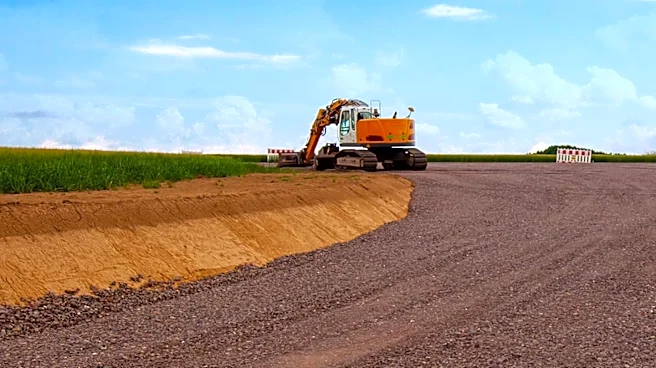
Construction on the new recreation area at Rosemont Reservoir will proceed with the goal of opening to the public as early as 2027. Colorado Parks and Wildlife will be responsible for staffing the new facilities and overseeing the expanded recreational activities. The project is expected to serve as a blueprint for future cooperative endeavors among federal, state, county, and local land managers, particularly through the Land Managers working group. This collaborative approach aims to share financial costs and impacts, especially for rural counties with limited resources. The success of this project could lead to the development of more integrated outdoor recreation areas across Colorado, fostering greater public access to natural landscapes while ensuring their preservation.