




What's Happening?
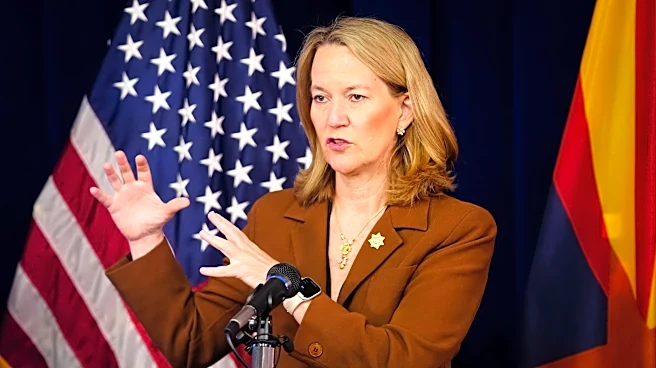
Arizona Attorney General Kris Mayes has announced that her office will not file criminal charges against Governor Katie Hobbs following allegations of a 'pay-to-play' scheme. The investigation centered on claims that Hobbs provided preferential treatment
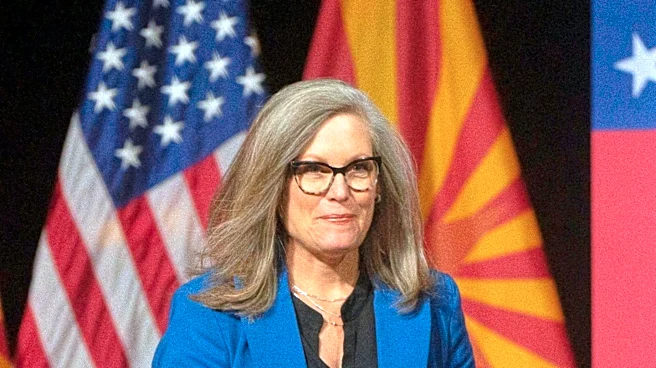
to Sunshine Residential Homes, a group home company, after it made significant financial contributions to her campaign and the state Democratic Party. Sunshine donated $200,000 to the state Democratic party before Hobbs' November 2022 election, and an additional $100,000 to her inaugural fund and another $100,000 to the party after her victory. The company subsequently received a 30% rate increase from the state, raising its rate from $149 to $195 per bed, with only Sunshine and one other company receiving increases during the 2022-2023 contracting period. Governor Hobbs has denied any wrongdoing, stating she was not involved in the decision to grant the increase. The Attorney General's office concluded that there was insufficient evidence to support a bribery charge, specifically lacking the necessary 'quid pro quo'.
Why It's Important?
This decision is significant for Arizona politics, particularly as Governor Hobbs seeks a second term. The allegations have been a 'political millstone' for her administration, with her Republican opponent, Rep. Andy Biggs, using the investigation in campaign advertisements. While criminal charges have been dismissed, the Attorney General's investigation highlighted a need for legislative reform regarding the transparency of political donations from state contractors. This situation underscores ongoing concerns about the influence of money in politics and the potential for perceived conflicts of interest when companies that contribute to political campaigns subsequently benefit from state contracts. The case also brings attention to the operations of group homes, as Sunshine Residential Homes was already under scrutiny for its care of a 9-year-old boy who died from complications of Type 1 diabetes while staying at one of its facilities. The company's leverage, threatening to reduce bed capacity if a rate increase was not granted, also reveals challenges in the state's child welfare system.
What's Next?
Despite the Attorney General's decision, a separate investigation by Republican Maricopa County Attorney Rachel Mitchell and the state auditor general is still ongoing. The timeline and scope of this continuing investigation remain unclear, and its findings could potentially reignite scrutiny of Governor Hobbs and Sunshine Residential Homes. Attorney General Mayes has urged Governor Hobbs and the GOP-controlled Legislature to adopt improvements in the transparency of political donations made by state contractors, suggesting that legislative action may be pursued to address the issues raised by the investigation. The political implications for Governor Hobbs' re-election campaign are also ongoing, as the allegations and subsequent investigations will likely remain a point of contention for her opponents. Furthermore, the lawsuit alleging negligence against Sunshine Residential Homes regarding the death of Jakob Blodgett continues, which could bring further public attention to the company's practices.
Beyond the Headlines
The case delves into the complex ethical landscape surrounding political donations and government contracts. While no criminal 'quid pro quo' was found, the perception of a 'pay-to-play' scheme can erode public trust in government and the integrity of the contracting process. The Attorney General's call for legislative reform on donation transparency from state contractors highlights a systemic issue that extends beyond this specific case, pointing to a broader need for clearer regulations to prevent even the appearance of impropriety. This incident also sheds light on the vulnerabilities within the child welfare system, where the state's reliance on large providers like Sunshine Residential Homes can create situations where the state feels compelled to grant concessions to avoid disruptions in critical services. The tension between ensuring adequate care for vulnerable populations and maintaining strict ethical standards in government dealings is a recurring challenge that this case brings to the forefront.