








What's Happening?
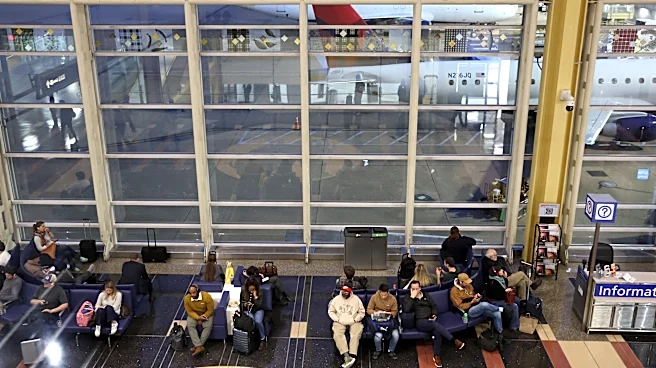
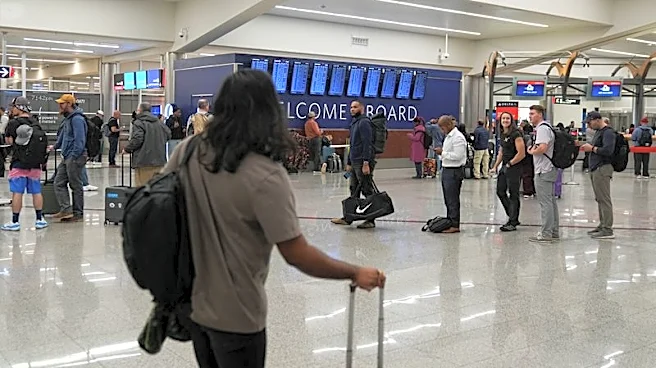
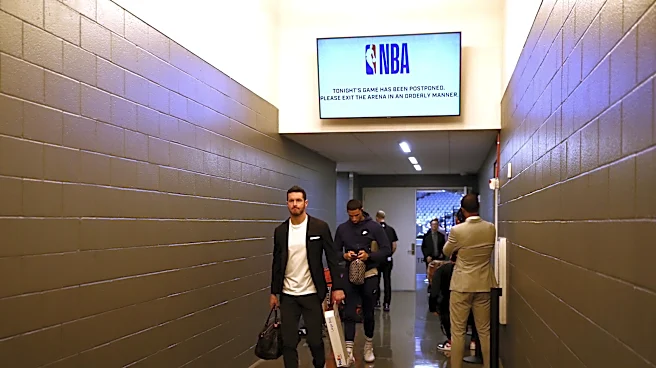
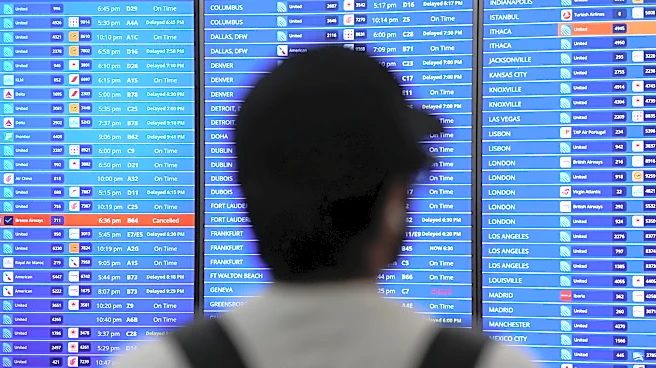
A nationwide Federal Aviation Administration (FAA) ground stop on Friday caused significant travel disruptions for multiple NBA teams, including the Brooklyn Nets and Memphis Grizzlies. The Nets, who were scheduled to fly from New Orleans to Memphis for a game
against the Grizzlies, had their flight halted after boarding. They were forced to deboard, find a hotel, and stay overnight in New Orleans before eventually flying out Saturday morning. Similarly, the Memphis Grizzlies, who had also been in New Orleans, had their travel plans affected, departing later than scheduled on Saturday morning. The ground stop, which lasted over four hours, was attributed by officials to "extraordinary circumstances" involving communications issues at regional air traffic control centers, with Transportation Secretary Sean Duffy citing "old switches, old routers." This event led to thousands of flight cancellations and delays across the country on Friday and Saturday.
Why It's Important?
This incident highlights the vulnerability of critical national infrastructure, such as air traffic control systems, to technical issues and their cascading effects on various sectors, including professional sports. The disruption forced NBA teams to alter their pre-game routines, potentially impacting player performance and game outcomes. For the Nets, the delay meant missing a planned morning shootaround in Memphis, a routine many players rely on. Beyond sports, such widespread travel chaos can have significant economic consequences, affecting business travel, supply chains, and tourism. The FAA's explanation of "old switches, old routers" points to potential underinvestment in infrastructure maintenance and upgrades, which could lead to future, more severe disruptions across the U.S. air travel system, impacting millions of travelers and various industries reliant on timely air transportation.
What's Next?
The immediate aftermath involves NBA teams continuing to adjust their schedules and routines to accommodate the travel disruptions. The FAA will likely face increased scrutiny regarding the stability and modernization of its air traffic control infrastructure. Transportation Secretary Sean Duffy's comments suggest a need for investment in upgrading outdated equipment. This event could prompt a more urgent review of the nation's air travel systems to prevent similar widespread ground stops in the future. Stakeholders, including airlines, sports leagues, and the traveling public, will be looking for assurances and concrete plans to address the identified vulnerabilities in the FAA's operational capabilities. The long-term implications could include policy discussions around infrastructure funding and technological upgrades for critical national systems.
Beyond the Headlines
The FAA ground stop underscores a broader national challenge concerning aging infrastructure and the potential for single points of failure to cause widespread disruption. While the immediate impact was felt by NBA teams and air travelers, the incident serves as a stark reminder of the interconnectedness of modern systems. A failure in one critical area, like air traffic control, can ripple through various aspects of society, from sports logistics to economic activity. The mention of "old switches, old routers" suggests a systemic issue that extends beyond just the FAA, potentially affecting other government agencies and critical services. This event could spark a larger conversation about the need for proactive investment in maintaining and modernizing essential public infrastructure to ensure national resilience against unforeseen technical glitches or cyber threats.