
What's Happening?
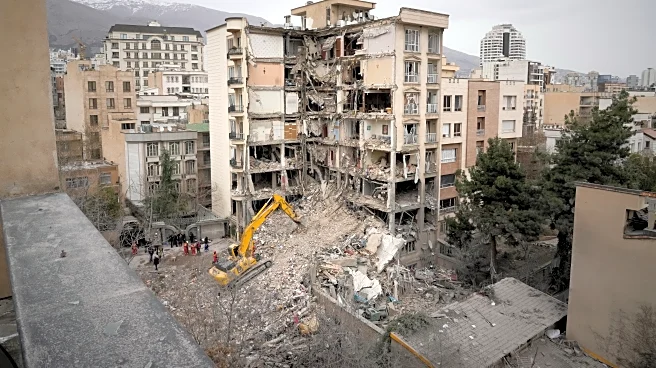
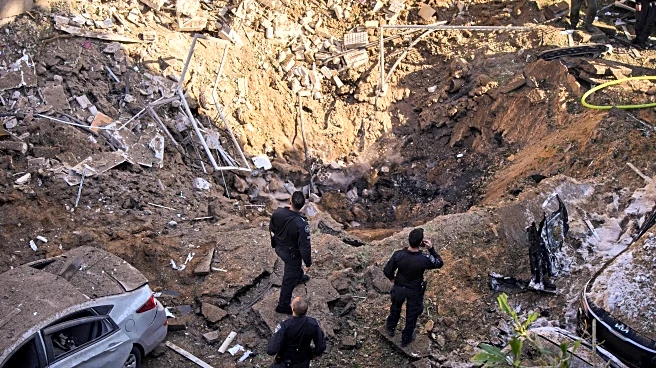
Iranian officials have expressed skepticism about engaging in direct talks with President Trump, fearing it may be a strategic ploy rather than a genuine diplomatic effort. According to reports, Iran communicated these concerns to mediators like Pakistan,
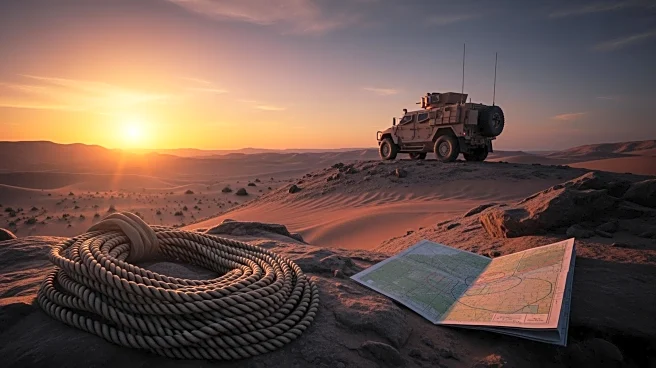
Egypt, and Turkey, citing recent U.S. military reinforcements in the region as a reason for their distrust. Despite public optimism from President Trump, the U.S. continues to bolster its military presence, including potential deployments of the 82nd Airborne Division. This military buildup is perceived by Iran as a sign that the U.S. might use diplomacy as a cover for further military actions, particularly around strategic locations like Iran's Kharg Island.
Why It's Important?
The situation underscores the fragile nature of U.S.-Iran relations and the complexities of international diplomacy in conflict zones. Iran's apprehension reflects broader regional tensions and the challenges of negotiating peace amid ongoing military threats. The U.S.'s dual approach of diplomacy and military pressure could either lead to a breakthrough or exacerbate hostilities, impacting regional stability and global oil markets. The outcome of these talks could significantly influence U.S. foreign policy and its strategic interests in the Middle East.
What's Next?
As the U.S. continues to press for direct talks, the international community will be watching closely for any shifts in Iran's stance. The potential for continued military engagement remains high, with U.S. officials indicating that military pressure will persist. The situation could evolve rapidly, depending on diplomatic developments and military actions, with significant implications for regional security and international relations.