
What's Happening?
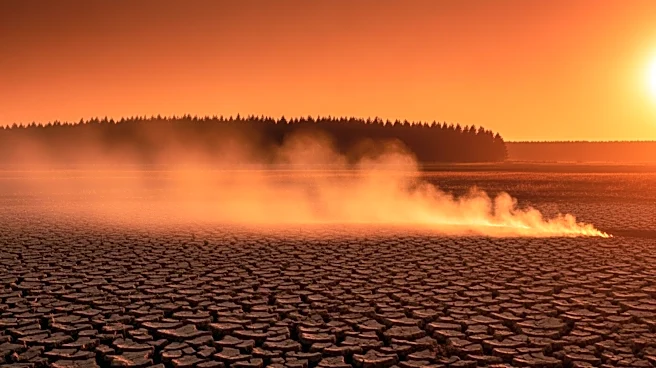
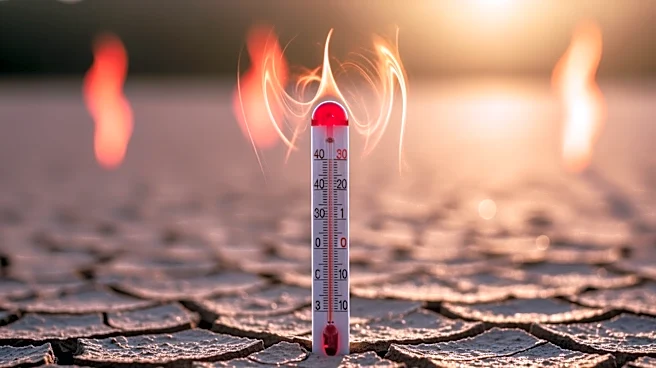
A recent report has revealed that a heatwave in the Nordic region, which saw temperatures soar above 30°C (86°F) in the Arctic Circle, was part of a record-breaking year for Europe. The report, which highlights
the impact of climate change, found that temperatures in Europe have been rising at a rate of 0.56°C per decade since the mid-1990s. This increase is attributed to fossil fuel pollution. The report also noted that annual sea surface temperatures in Europe reached their highest levels on record, while snow cover and mass have significantly decreased. The extreme heat contributed to deadly wildfires across the continent, with over one million hectares of land burned in 2025.
Why It's Important?
The findings of this report underscore the urgent need for action on climate change. The rapid increase in temperatures and the resulting environmental impacts, such as wildfires and melting glaciers, pose significant risks to ecosystems and human populations. The report serves as a stark reminder of the consequences of inaction and the importance of reducing carbon emissions to mitigate further damage. For policymakers, this data provides a critical impetus to strengthen climate policies and implement measures to protect vulnerable regions. The report also highlights the need for global cooperation to address climate change, as the effects are not confined to Europe but have worldwide implications.
What's Next?
In response to the report, there is likely to be increased pressure on European governments to enhance their climate action plans. This could involve setting more ambitious targets for reducing carbon emissions and investing in renewable energy sources. Additionally, there may be a push for greater international collaboration to address the global nature of climate change. Environmental organizations and activists are expected to use the report's findings to advocate for stronger policies and increased funding for climate resilience and adaptation measures. The report may also influence public opinion, leading to greater support for environmental initiatives and sustainable practices.
Beyond the Headlines
The report's findings have broader implications for global climate policy. As Europe experiences record-breaking temperatures, other regions may face similar challenges, highlighting the interconnectedness of climate systems. The data could serve as a catalyst for more comprehensive international agreements aimed at curbing global warming. Furthermore, the report emphasizes the need for innovative solutions to adapt to changing climate conditions, such as redesigning urban areas to withstand extreme heat and investing in technologies to capture and store carbon emissions. The findings also raise ethical questions about the responsibility of developed nations to lead in climate action and support developing countries in their efforts to combat climate change.