







What's Happening?
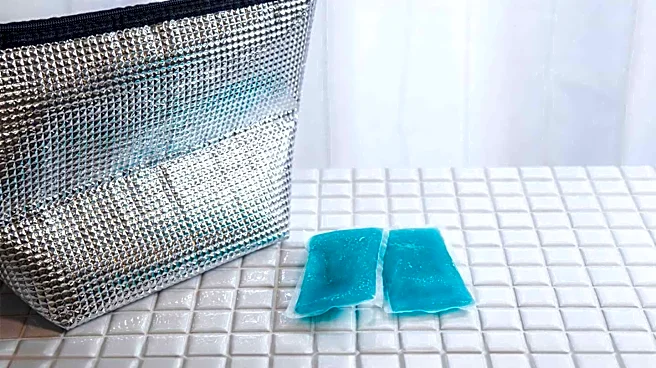
Physical therapists in home care settings are utilizing cryotherapy as part of patient treatment plans. This therapeutic approach involves the application of cold to the body, often to reduce pain, inflammation, and muscle spasms, and to promote recovery.
The role of a physical therapist in this context includes assessing patient impairment, developing individualized treatment projects, and applying various techniques such as therapeutic exercise, massage, heat, and cryotherapy. These professionals also counsel patients and their families regarding their disability or impairment and communicate with physicians and other team members about patient progress. The job demands substantial emotional and cognitive engagement, requiring decision-making under pressure and sustained focus in diverse clinical environments.
Why It's Important?
The integration of cryotherapy into home care physical therapy highlights an evolving trend in patient rehabilitation, emphasizing accessible and diverse treatment modalities outside traditional clinical settings. This approach can significantly benefit patients who may have difficulty traveling to clinics, improving their access to advanced physical therapy techniques. For the healthcare industry, it signifies a broader adoption of non-pharmacological pain management and recovery methods, potentially reducing reliance on medication and improving long-term patient outcomes. The demand for physical therapists capable of delivering such comprehensive care in home environments underscores a growing need for skilled professionals who can manage complex patient needs while adapting to the unique challenges of home-based treatment, including physical demands and environmental exposures.
What's Next?
As cryotherapy becomes more prevalent in home care, there may be an increased focus on standardized training and protocols for physical therapists to ensure safe and effective application. Further research could explore the long-term efficacy and cost-effectiveness of cryotherapy in home-based rehabilitation for various conditions. Healthcare providers and insurance companies might also evaluate coverage policies for these advanced home care services, potentially expanding access for more patients. Additionally, the development of more portable and user-friendly cryotherapy equipment could further facilitate its use in diverse home environments, making this treatment more widely available and integrated into routine physical therapy practices.
Beyond the Headlines
The expansion of cryotherapy into home care settings reflects a broader societal shift towards personalized and patient-centric healthcare, where treatments are tailored to individual needs and delivered in comfortable, familiar environments. This trend also raises ethical considerations regarding equitable access to advanced home-based therapies, particularly for underserved populations. From a technological standpoint, it encourages innovation in medical devices that are suitable for home use, balancing efficacy with ease of operation and safety. Culturally, it may contribute to a greater acceptance of alternative and complementary therapies within mainstream medicine, fostering a more holistic approach to health and wellness that extends beyond traditional hospital or clinic walls.