



What's Happening?
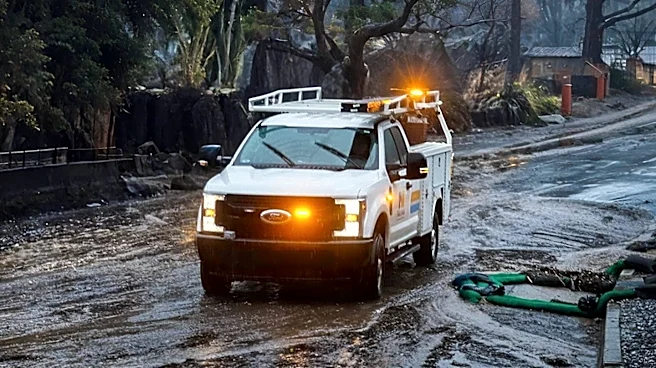
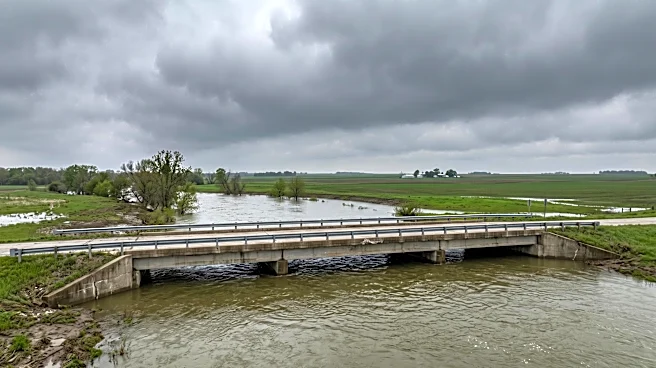
The Grandview Interchange, specifically the Wilson Gulch roundabout in Durango, Colorado, has experienced significant flooding due to heavy and consistent September rains. The Colorado Department of Transportation (CDOT) crews have been actively involved
in cleanup efforts, using plows, bulldozers, and backhoes to clear mud and debris from the highway, ditches, and pond areas. This is not the first instance of flooding at this location, with previous issues reported during periods of heavy rainfall in the summer. Despite the recurring nature of the problem, there are currently no concrete plans for long-term improvements to mitigate the flooding. Discussions are underway between the city of Durango, CDOT, and the owner of the Maverick gas station, which is situated uphill from the roundabout, to find a solution. However, the cross-jurisdictional collaboration and permitting complexities are posing challenges to implementing a permanent fix. CDOT officials have noted that resolving the issue requires enhancements to drainage systems on Wilson Gulch Road and Zyme Rock Road, which are outside of CDOT's state right-of-way and within city limits.
Why It's Important?
The persistent flooding at the Grandview Interchange highlights critical infrastructure vulnerabilities in U.S. transportation networks, particularly in regions prone to heavy rainfall. The lack of a long-term solution for this recurring problem can lead to significant disruptions for commuters and local businesses in Durango. Road closures due to flooding impede traffic flow, increase travel times, and can isolate communities, affecting economic activity and emergency response capabilities. The need for inter-agency cooperation between state transportation departments, city governments, and private landowners underscores the complex challenges in addressing infrastructure resilience. This situation also points to the broader issue of aging infrastructure and the increasing frequency of extreme weather events, which demand proactive and comprehensive planning rather than reactive cleanup efforts. The financial burden of repeated cleanup operations, coupled with potential economic losses from disrupted commerce, emphasizes the importance of investing in preventative measures and collaborative solutions to protect vital transportation arteries.
What's Next?
Discussions among the city of Durango, CDOT, and the Maverick gas station property owner are expected to continue to explore potential solutions for the Grandview Interchange flooding. The focus will likely be on navigating the complexities of permitting and jurisdictional boundaries to implement necessary drainage enhancements on Wilson Gulch Road and Zyme Rock Road. While no solid plans are currently in place, the ongoing dialogue suggests a recognition of the problem and a commitment to finding a resolution. Future steps may involve feasibility studies, engineering assessments, and the development of a collaborative funding model to support the required infrastructure upgrades. The community and local businesses will likely monitor these discussions closely, advocating for a timely and effective solution to prevent further disruptions. CDOT will continue its reactive cleanup efforts during future rain events until a permanent mitigation strategy is implemented.
Beyond the Headlines
The Grandview Interchange flooding issue extends beyond immediate traffic disruptions, touching upon broader themes of urban planning, climate resilience, and inter-governmental cooperation. The challenge of implementing drainage improvements across different jurisdictions highlights a common hurdle in infrastructure development, where fragmented responsibilities can delay critical projects. This situation also serves as a microcosm of the larger national conversation around adapting infrastructure to the impacts of climate change, particularly increased rainfall intensity. The uphill location of the Maverick gas station and its potential contribution to runoff further complicates the issue, bringing private land use into the public infrastructure domain. Addressing such problems effectively requires not only engineering solutions but also innovative governance models that foster seamless collaboration between public and private entities, ensuring that development considers downstream impacts and contributes to overall community resilience against environmental challenges.