




What's Happening?
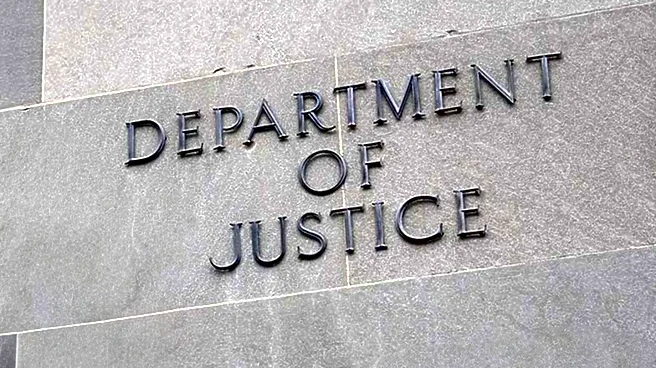
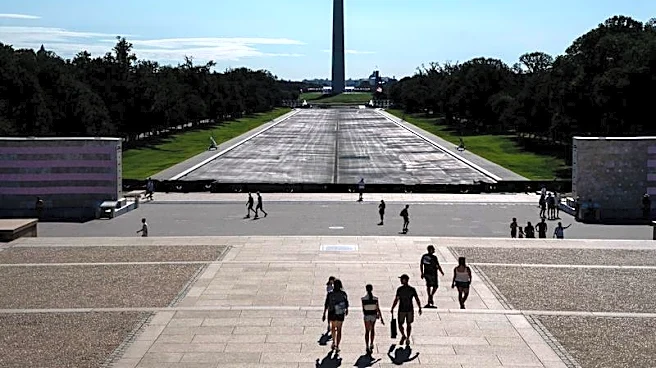
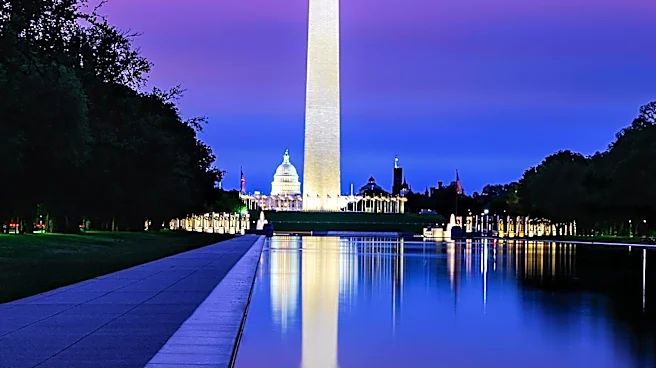
The Justice Department has decided to dismiss the criminal case against former Olympian David Hearn, who was previously charged with deliberately damaging the Lincoln Memorial's reflecting pool. The charges were initially based on claims that Hearn had
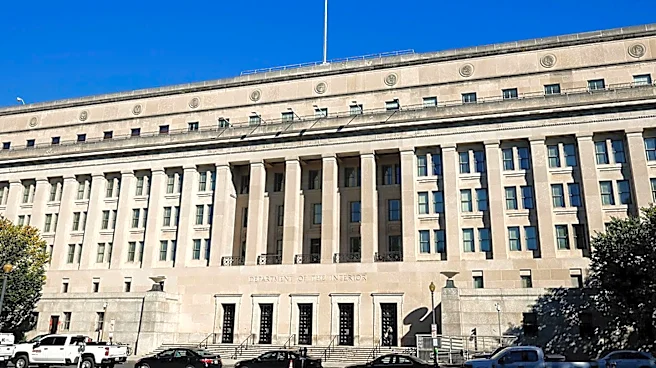
sabotaged a $15 million renovation project. However, new evidence revealed that the damage to the pool liner was due to a flawed installation by the contractor, not Hearn's actions. The decision to drop the charges came after the Department of the Interior provided documents indicating that the damage occurred before Hearn's visit to the pool. Hearn, who had been detained for five hours by the national guard and US park police, was facing a felony charge that could have led to a 10-year prison sentence and a $1,000 fine. His trial was scheduled to begin on September 28, 2026.
Why It's Important?
This development highlights significant issues regarding the use of government power and the importance of thorough investigations before pressing charges. The case against Hearn, a respected former Olympian, underscores the potential for misuse of authority and the impact such charges can have on individuals' lives. The dismissal of the charges not only clears Hearn's name but also raises questions about the initial handling of the case by the Trump administration. It emphasizes the need for transparency and accountability in legal proceedings, especially when public figures are involved. The incident also draws attention to the challenges faced in large-scale public projects, such as the renovation of the reflecting pool, and the importance of proper oversight and quality control in such endeavors.
What's Next?
Following the dismissal of charges, there may be calls for an investigation into the initial decision to charge Hearn and the processes involved. Hearn's attorneys have already demanded an apology from the government, and there could be further legal actions or demands for compensation. Additionally, the incident may prompt reviews of other similar cases to ensure that justice is served fairly and without bias. The National Park Service and other involved parties might also face scrutiny over the management and execution of the renovation project, potentially leading to changes in how such projects are overseen in the future.
Beyond the Headlines
The case against Hearn and its subsequent dismissal could have broader implications for how public perception of government actions is shaped. It highlights the delicate balance between maintaining security and ensuring individual rights are not infringed upon. The incident may also influence public trust in government institutions and their ability to manage large-scale projects effectively. Furthermore, it could lead to discussions about the role of media in shaping narratives around legal cases and the responsibility of journalists to provide accurate and unbiased reporting.