

What's Happening?
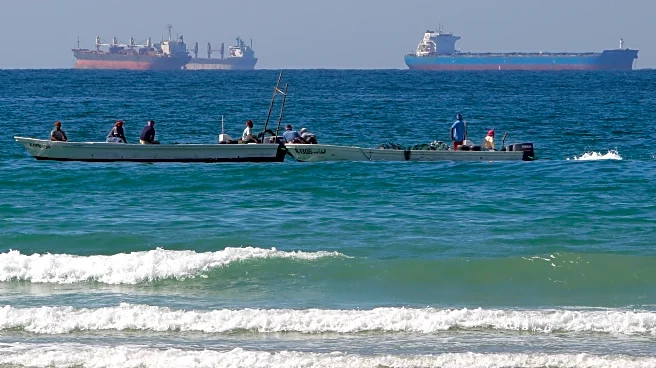
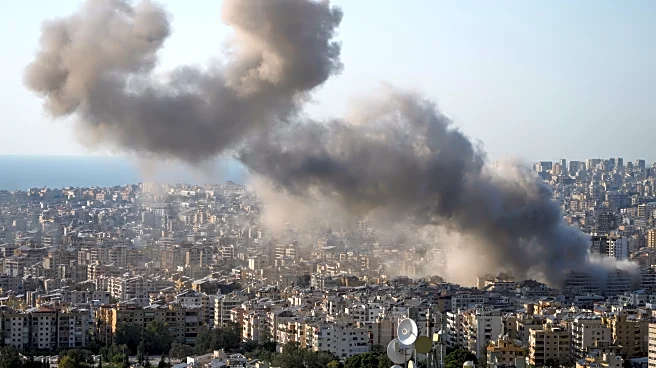
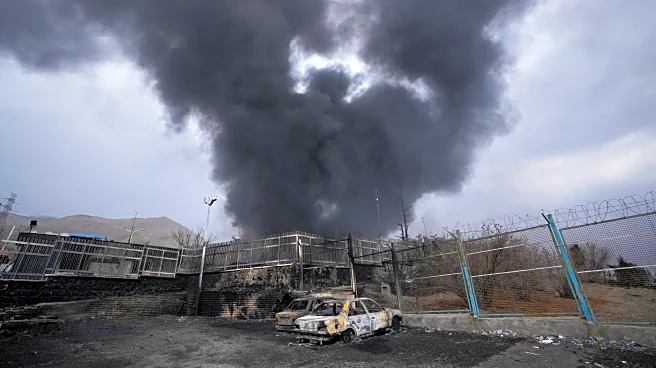
The International Energy Agency (IEA) is proposing a record-setting release of global oil reserves to counteract the effects of the ongoing closure of the Strait of Hormuz. This strategic move aims to mitigate the impact of the closure, which has significantly
reduced global oil export capacity. The proposed release would surpass the 182 million barrel emergency authorization from 2022, which was implemented in response to the Ukraine invasion. The IEA's 32 member states are expected to vote on this proposal, which could be influenced by geopolitical tensions and the need to stabilize oil prices.
Why It's Important?
The proposed release of oil reserves is crucial for stabilizing global oil markets and ensuring energy security. The closure of the Strait of Hormuz, a critical chokepoint for oil transportation, has disrupted supply chains and increased oil prices. By coordinating a large-scale release, the IEA aims to alleviate these pressures and prevent further economic instability. This decision also underscores the interconnectedness of global energy markets and the importance of international cooperation in addressing supply disruptions.
What's Next?
The outcome of the IEA's vote will determine the scale and timing of the oil reserve release. If approved, member states will need to coordinate the logistics of the release to maximize its impact on the market. Additionally, the situation in the Strait of Hormuz will continue to be monitored closely, as any changes could affect the global energy landscape. Stakeholders, including governments and energy companies, will need to adapt their strategies to navigate the evolving geopolitical and economic environment.