

What's Happening?
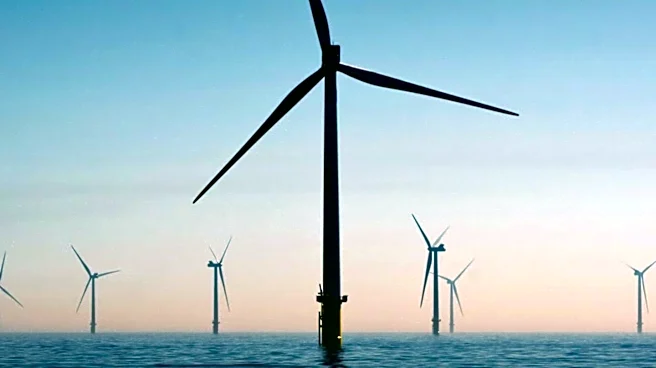
The Trump administration has paid German energy company RWE $1.22 billion to cancel its offshore wind projects off the coasts of California, Louisiana, and New York. This move is part of a broader pattern where the administration has spent nearly $4 billion in taxpayer
dollars to halt offshore wind developments. The League of Conservation Voters (LCV) has criticized these actions, arguing that they benefit Big Oil at the expense of clean energy progress. The cancellation of these projects is seen as a setback for efforts to expand renewable energy infrastructure in the U.S., which could have helped lower energy costs and reduce reliance on fossil fuels.
Why It's Important?
The decision to cancel offshore wind projects has significant implications for the U.S. energy landscape. Offshore wind is considered a key component in transitioning to renewable energy sources and reducing carbon emissions. The cancellation not only affects potential environmental benefits but also economic opportunities, as these projects could have created jobs and stimulated local economies. The move has sparked criticism from environmental groups and policymakers who argue that it undermines efforts to combat climate change and increases energy costs for consumers. The administration's actions highlight ongoing tensions between fossil fuel interests and renewable energy advocates.
What's Next?
The cancellation of these projects is likely to lead to increased scrutiny and debate over the administration's energy policies. Environmental groups and some lawmakers may push for legislative or legal actions to counteract these decisions and promote renewable energy development. The upcoming elections could also influence future energy policies, as candidates may use this issue to galvanize support from voters concerned about climate change and energy costs. The broader impact on the U.S. energy sector will depend on subsequent policy decisions and the ability of renewable energy advocates to advance their agenda.