








What's Happening?
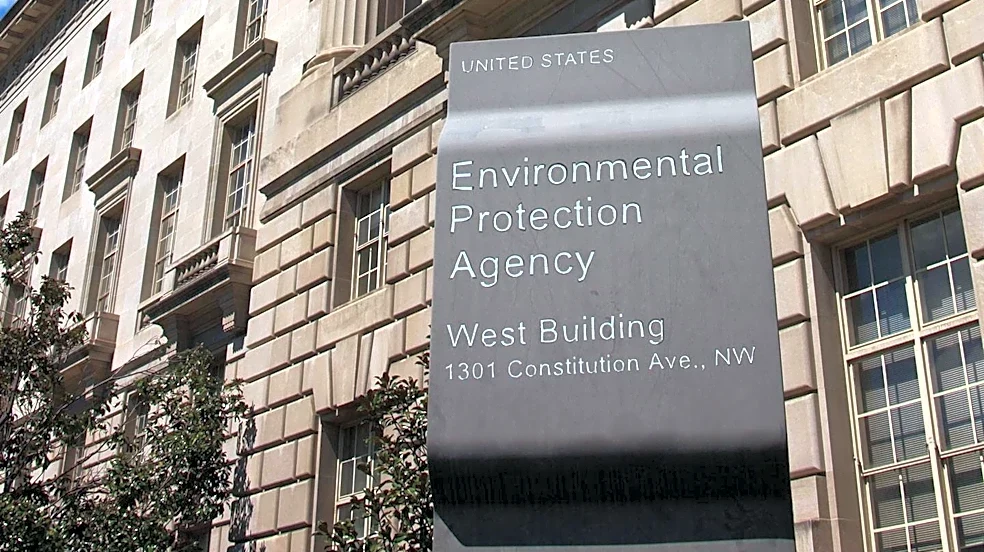
The U.S. Environmental Protection Agency (EPA) has once again postponed the deadline for reporting calendar-year 2025 greenhouse gas (GHG) data. The new deadline is March 10, 2027, a shift from the previously extended date of October 30, 2026. This interim
final rule specifically alters only the submission deadline under 40 CFR 98.3(b)(6) and does not repeal reporting obligations or relax other program requirements. This marks the second extension for the 2025 reporting year, with the initial deadline having been March 31, 2026. The EPA cites an unfinished policy review and the inability to prepare its electronic Greenhouse Gas Reporting Tool (e-GGRT) in time as reasons for the delay. The agency is currently considering a separate proposal from September 2025 that could remove reporting requirements for most sectors and suspend reporting for many petroleum and natural gas industry segments until 2034. The current extension provides additional time for the EPA to finalize this broader decision.
Why It's Important?
This extension is significant for approximately 8,200 facilities, suppliers, and CO2 injection sites across various sectors, including energy, heavy industry, chemicals, waste, and manufacturing, that are subject to the Greenhouse Gas Reporting Program (GHGRP). It offers these entities more time to collect and verify their emissions data, potentially reducing immediate compliance burdens. The delay also allows the EPA additional time to review over 50,000 comments received on its September 2025 reconsideration proposal, which could fundamentally alter the scope of GHG reporting. If the EPA proceeds with its proposal to remove or suspend reporting for many sectors, companies would avoid preparing reports that may ultimately not be required, saving an estimated $303 million annually from 2025-2033. However, this move also raises questions about the transparency and availability of facility-level emissions data, which is currently utilized by states, carbon-credit programs, and public emissions tracking initiatives. The trade-off between compliance relief for industries and potential information gaps for environmental oversight is a key aspect of this decision.
What's Next?
The immediate next steps involve the EPA receiving comments on this deadline extension until November 30, 2026, which could influence its final treatment of the postponement. Petitions for judicial review of the rule must be filed by December 14, 2026, in the U.S. Court of Appeals for the District of Columbia Circuit. The ultimate impact hinges on the EPA's final decision regarding its September 2025 reconsideration proposal, which aims to significantly narrow the reporting framework of the GHGRP. This decision will determine whether the proposed removal or suspension of reporting obligations is finalized, modified, or rejected. The e-GGRT system is typically made available six weeks before the reporting deadline, and its readiness will be crucial for facilities that still need to submit their reports by the new March 10, 2027, deadline. Stakeholders will be closely watching for the EPA's final ruling on the broader reconsideration proposal, as it will dictate the long-term reporting requirements for numerous U.S. industries.
Beyond the Headlines
Beyond the immediate compliance implications, this extension highlights a broader debate within environmental policy regarding the balance between regulatory burden and data transparency. The EPA's rationale for considering the removal or suspension of reporting requirements, citing potential overreach of Clean Air Act authority or the availability of more targeted information requests, suggests a shift in its approach to environmental data collection. While the extension offers 'compliance relief,' it also raises concerns about the potential for reduced public access to granular emissions data. This data is vital for various purposes, including state inventories, the implementation of HFC policies, and carbon-sequestration tax credits. If the GHGRP is significantly curtailed, other agencies and programs that rely on this data may need to revise their operations, potentially leading to a patchwork system of data collection and varying levels of transparency across states and sectors. The long-term implications could affect the ability to accurately track and manage greenhouse gas emissions, influencing future climate policies and market mechanisms.