
What's Happening?
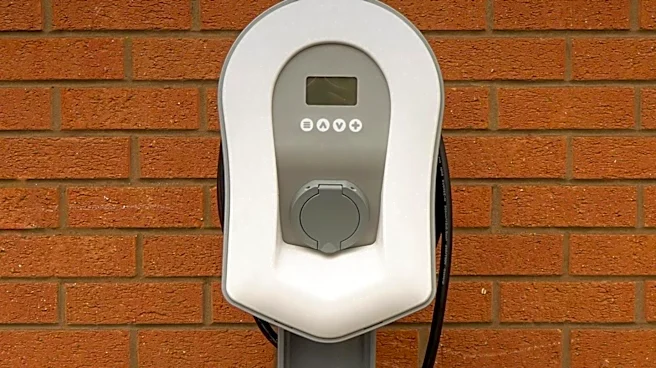
A Brookings Institution update highlights that U.S. states are increasingly implementing regulations to combat 'EV range anxiety,' the fear among electric vehicle drivers of not finding a working charger.
A 2025 paper co-authored by Brookings researchers proposed that states mandate real-time status and pricing data from fast chargers, accessible via EV mapping applications. While the 2021 Bipartisan Infrastructure Law already required this for federally funded chargers on major interstates, the new update notes that California and Vermont have since joined Massachusetts in enacting broader real-time data requirements. California implemented this through regulations, while Vermont did so by law. This transparency aims to provide drivers with crucial information, such as charger functionality and cost, similar to how gas stations display fuel prices.
Why It's Important?
Addressing EV range anxiety is crucial for accelerating the adoption of electric vehicles in the U.S., which is a key component of climate change mitigation efforts. By providing reliable, real-time information on charger availability and pricing, states are removing a significant barrier to EV ownership. This move not only enhances convenience for current EV drivers but also encourages more consumers to transition to electric vehicles, potentially increasing the EV share of new vehicle sales and reducing carbon emissions. The varying approaches by states—regulatory versus legislative—demonstrate different pathways to achieving this goal, offering valuable lessons for other states considering similar measures. This initiative also underscores the importance of state-level action in driving national environmental and technological objectives.
What's Next?
The trend of states requiring real-time EV charger data is expected to continue, with more states likely to adopt similar regulations or legislation. The Brookings Institution's ongoing research suggests that careful monitoring and learning from these early efforts will be essential to understand what works best before scaling up. There will also be continued pressure to standardize data reporting and ensure interoperability across different charging networks and mapping applications. Furthermore, the issue of variable pricing at charging stations, which currently affects a significant portion of charging ports, may lead to calls for greater transparency or regulation to prevent price surprises for consumers.
Beyond the Headlines
The effort to cure EV range anxiety extends beyond mere convenience; it touches upon the broader societal shift towards sustainable transportation and energy independence. The comparison to gas station pricing highlights a fundamental expectation of transparency in consumer services, which is now being applied to the nascent EV charging infrastructure. This development also implicitly addresses equity concerns, as reliable and predictable charging access is vital for all drivers, regardless of their socioeconomic status or geographic location. The challenge of ensuring charger reliability and transparent pricing reflects the growing pains of a new technology and the need for robust public and private sector collaboration to build a resilient and user-friendly EV ecosystem.