




What's Happening?
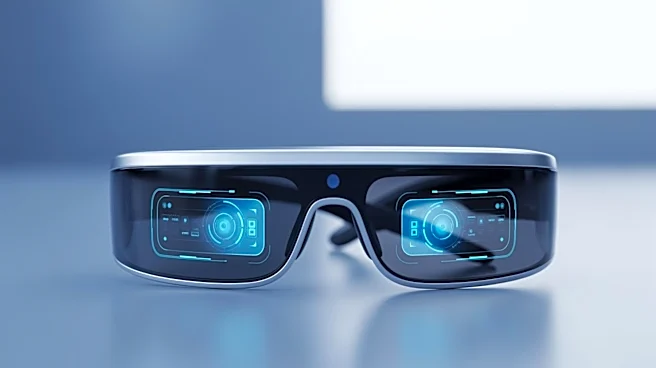
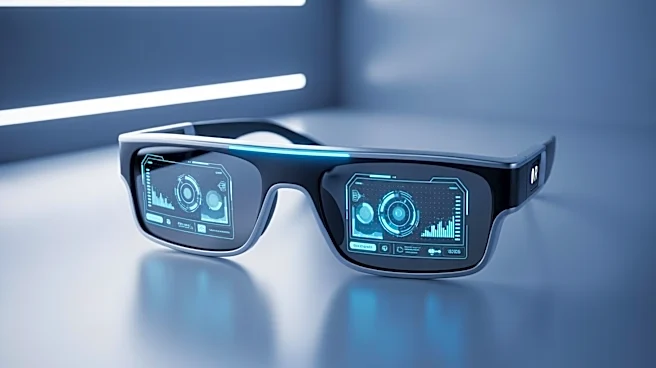
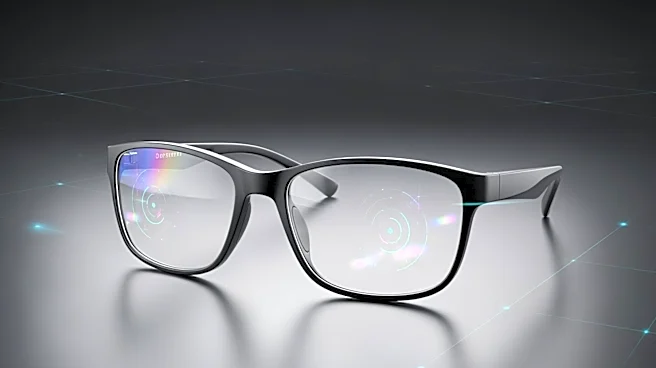
In 2026, the market for augmented reality (AR) smart glasses is seeing significant advancements, with several companies unveiling new designs that prioritize practicality and style. At the Google I/O event, tech giants like Google and Samsung showcased
Android XR glasses, emphasizing lightweight frames and audio-driven interactions. Warby Parker announced its Gemini AI eyewear, aiming for mainstream retail distribution. Other companies like Gentle Monster and Xreal are focusing on fashion-forward and affordable options, respectively. The AR hardware market is projected to grow by 64.8% year-over-year, reaching $9.7 billion in 2026.
Why It's Important?
The development of smart glasses with practical features and appealing designs could mark a turning point for AR wearables, making them more accessible and attractive to a broader consumer base. This shift from niche technology to mainstream adoption could drive significant growth in the AR market, influencing how consumers interact with technology in their daily lives. The focus on aesthetics and affordability addresses previous consumer objections, potentially leading to wider acceptance and integration of AR in various sectors, including fashion, healthcare, and enterprise applications.
What's Next?
As smart glasses become more integrated into daily life, privacy concerns and new app strategies are likely to emerge. Companies will need to address these issues to ensure consumer trust and adoption. The anticipated retail release of these devices in fall 2026 will be a critical period for assessing consumer response and market penetration. Continued innovation and collaboration among tech companies and fashion brands will be essential to sustain momentum and expand the use cases for AR wearables.