



What's Happening?
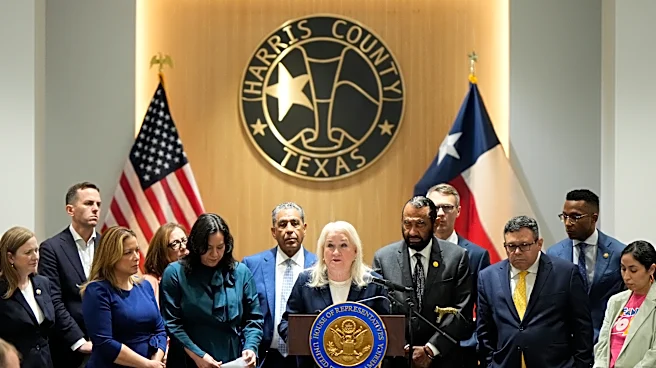
A coalition of 21 attorneys general, including New Jersey's Matthew Platkin and Pennsylvania Gov. Josh Shapiro, has filed a lawsuit against the Trump administration. The lawsuit aims to block a subpoena demanding personal information for 17 million commercial
drivers from the Commercial Driver's License Information System (CDLIS). The Federal Motor Carrier Safety Administration (FMCSA), an agency within the Department of Transportation, initially requested the data, citing "federal safety and regulatory obligations." Later, the Department of Homeland Security (DHS) also sought the same data for "immigration enforcement," revealing coordination between the agencies. The lawsuit alleges that the demand violates several federal and state privacy laws, including the Administrative Procedure Act, the Driver's Privacy Protection Act, and the Privacy Act of 1974, arguing the administration is acting in "bad faith" and without "any legitimate statutory purpose." The Trump administration has threatened to terminate federal grants to the nonprofit overseeing the database if the data is not provided by an August 17 deadline.
Why It's Important?
This lawsuit represents a significant legal challenge to federal authority regarding data privacy and state sovereignty. The demand for personal records of 17 million commercial drivers raises critical questions about the extent of government access to private data and the protection of individual privacy rights. If the federal government succeeds, it could establish a precedent for broader federal access to state-held personal information, potentially eroding public trust in state agencies and their ability to safeguard sensitive data. Conversely, a victory for the states would reinforce privacy protections and limit potential federal overreach into state databases. The threat of losing federal grants for the CDLIS could also severely impact the system, potentially disrupting commercial driver licensing nationwide and affecting the economy and transportation safety.
What's Next?
The lawsuit will proceed in federal court, where a judge will consider the states' request to block the subpoena and declare it illegal. The federal government's deadline of August 17 for the American Association of Motor Vehicle Administrators (AAMVA), the nonprofit overseeing the CDLIS, to furnish the records or face penalties, is a critical near-term factor. The outcome of this legal battle will determine whether the Trump administration gains access to the extensive commercial driver data and whether AAMVA's federal grants are affected. This case is expected to continue to be a focal point in discussions surrounding data privacy and federal-state relations.
Beyond the Headlines
This case highlights the ongoing tension between national security interests, such as immigration enforcement, and the fundamental right to individual privacy, especially in an era where vast amounts of personal data are digitally collected and stored. It also underscores the complex and often contentious relationship between federal and state governments concerning data sharing and regulatory authority. The legal precedent set by this ruling could have far-reaching implications for how personal information held by state agencies is protected from federal demands, potentially influencing future legislation on data privacy, inter-governmental data sharing protocols, and the balance of power between federal and state entities in data governance.