




What's Happening?
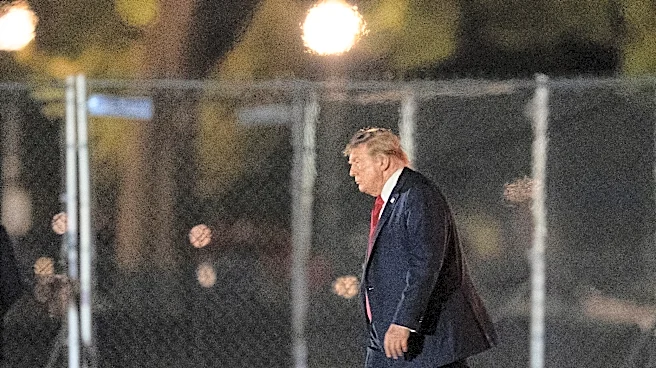
U.S. Vice President J.D. Vance revealed that Commerce Secretary Howard Lutnick and U.S. Trade Representative Jamieson Greer are leading trade negotiations with Canada. This comes after President Trump announced a last-minute agreement to delay new tariffs
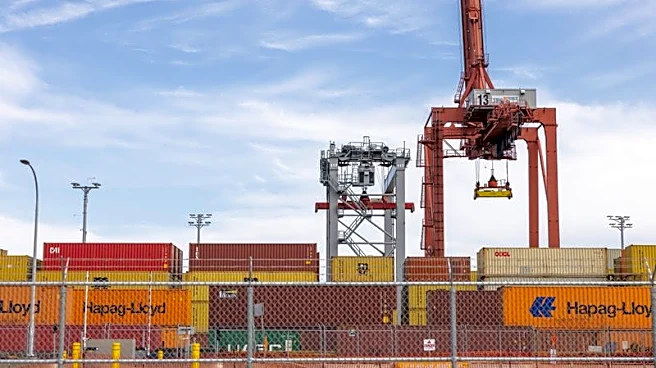
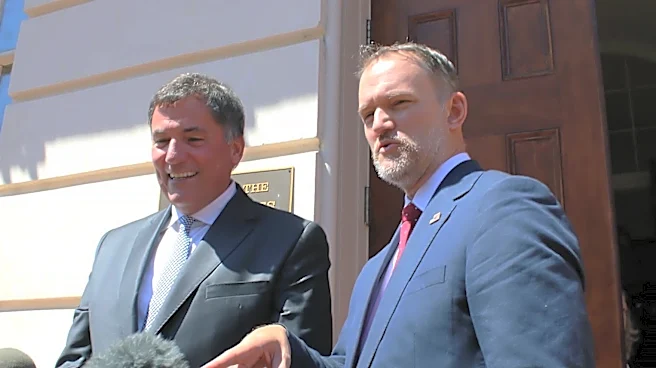
on Canadian products by three days. The temporary reprieve followed a phone call between President Trump and Canadian Prime Minister Mark Carney, and weeks of intensive bilateral discussions. The agreement reportedly involves the U.S. reducing sectoral tariffs on Canadian automobiles, steel, and aluminum. In return, Prime Minister Carney has asked provincial premiers to reinstate American alcohol on store shelves. President Trump stated that the deal would bring tariffs imposed on American farmers to zero. The negotiations are ongoing, with Canadian Minister responsible for Canada-U.S. Trade, Dominic LeBlanc, returning to Washington for further talks with Greer before a Saturday deadline.
Why It's Important?
This development is significant for U.S. trade relations and economic policy. The reduction of tariffs on Canadian goods like automobiles, steel, and aluminum could alleviate pressure on American industries that rely on these imports or have supply chains intertwined with Canada. Conversely, the demand for Canadian provinces to resume selling American alcohol highlights the U.S. administration's focus on market access for its products, particularly after Canadian sales bans significantly impacted American alcohol exports. The involvement of high-level officials like Secretary Lutnick and U.S. Trade Representative Greer underscores the strategic importance of these trade discussions. The outcome will influence cross-border commerce, potentially benefiting U.S. manufacturers and agricultural producers by reducing trade barriers and expanding market opportunities in Canada. The negotiations also reflect the Trump administration's 'America First' trade agenda, aiming to secure favorable terms for U.S. industries.
What's Next?
The immediate next step involves Canadian Minister Dominic LeBlanc's continued trade talks with U.S. Trade Representative Jamieson Greer in Washington, with a deadline set for Saturday at 00:01 to finalize the agreement. If the agreement is finalized, Canadian provinces will need to act on the request to reinstate American alcohol sales, which could lead to a gradual return of U.S. alcohol products to Canadian shelves. The long-term implications will depend on the full scope of concessions made by both sides and how they are implemented. The U.S. administration will likely monitor the impact of the tariff reductions and market access improvements on American industries. The ongoing trade relationship between the U.S. and Canada will continue to be shaped by these negotiations, with potential for further adjustments or disputes depending on economic and political developments.
Beyond the Headlines
The trade negotiations extend beyond immediate economic benefits, touching upon the broader political dynamics between the U.S. and Canada. The involvement of Vice President J.D. Vance and his personal relationship with Canadian MP Jamil Jivani, who reportedly played a behind-the-scenes role, suggests that personal connections can influence high-stakes international diplomacy. The controversy surrounding the Canadian ban on American alcohol, which U.S. Commerce Secretary Howard Lutnick called 'scandalous,' highlights how trade disputes can escalate and become highly politicized. This situation also underscores the leverage the U.S. holds in trade negotiations, as evidenced by the significant impact of Canadian sales bans on American alcohol exports. The outcome of these talks could set a precedent for how the U.S. approaches trade relations with other allies, emphasizing a transactional approach where concessions are expected in return for tariff relief.