
What's Happening?
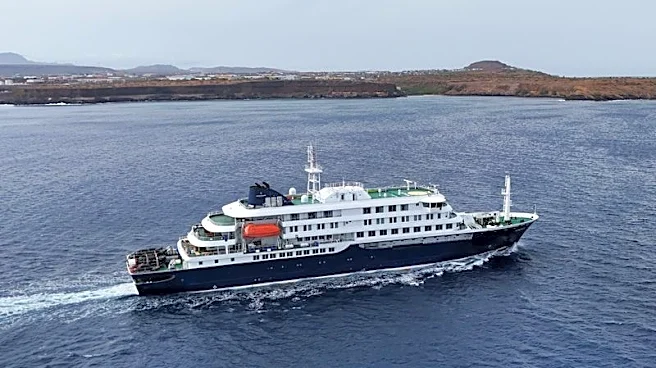
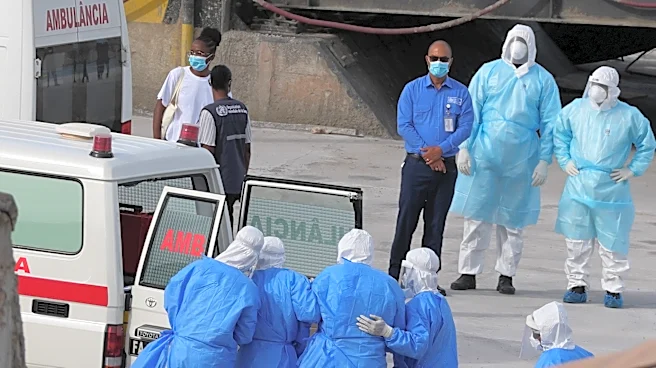
A hantavirus outbreak on the MV Hondius cruise ship has resulted in the deaths of three individuals, including a Dutch couple and a German national. The World Health Organization (WHO) has confirmed five
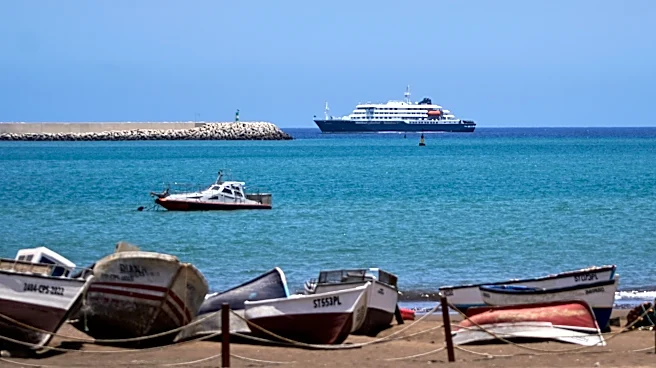
cases of the virus, with eight people suspected of being infected. The Centers for Disease Control and Prevention (CDC) is monitoring travelers from the U.S. states of California, Georgia, and Arizona who were on the ship, although none have shown symptoms. The virus, primarily spread by rodents, can cause severe respiratory illness. The ship, which had passengers disembark in St. Helena, is continuing its voyage to Spain's Canary Islands.
Why It's Important?
The outbreak highlights the potential for infectious diseases to spread rapidly in confined environments like cruise ships, posing a risk to international public health. The monitoring of U.S. residents underscores the interconnectedness of global travel and the need for vigilance in tracking potential outbreaks. The situation also raises concerns about the adequacy of health protocols on cruise ships and the ability of health authorities to manage such outbreaks effectively. The economic impact on the cruise industry could be significant, as public confidence in cruise travel may be affected.
What's Next?
Authorities are attempting to locate passengers who disembarked before the outbreak was reported. The ship is expected to dock in the Canary Islands, despite local opposition. The Spanish government plans to quarantine symptomatic individuals and repatriate asymptomatic foreign nationals. The situation may prompt a review of health and safety protocols on cruise ships to prevent future outbreaks.