




What's Happening?
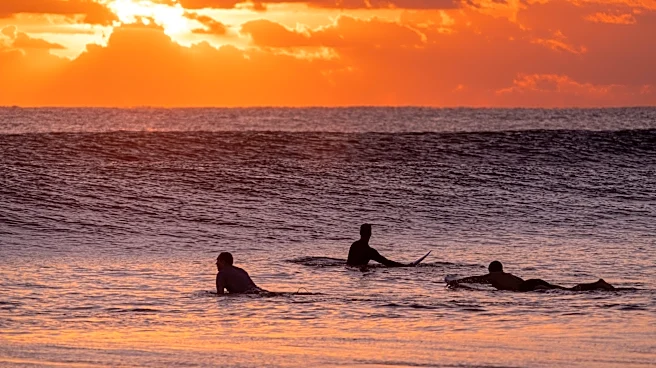
U.S. Representative Byron Donalds, a gubernatorial candidate, has unveiled a detailed plan aimed at protecting Florida's waterways, encompassing both coastal and inland areas. The initiative, dubbed the 'Coastal Corridor,' is presented as a marine equivalent
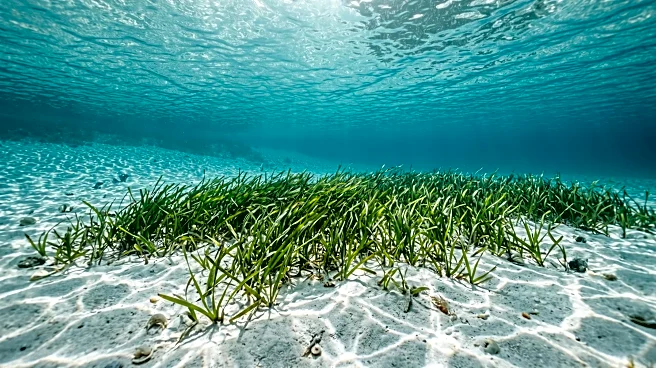
to Florida's existing Wildlife Corridor. Donalds' proposal includes a new statewide restoration grant program designed to extend the successful Everglades restoration model to other significant Florida waters. Specific targets include tackling nutrient pollution in the Indian River Lagoon and St. John's River, safeguarding freshwater springs, and restoring seagrass beds and coastlines along the Gulf. The plan also emphasizes improvements to wastewater infrastructure, addressing issues like leaking septic systems and sewer overflows that contribute to pollution. Donalds stated that the plan will not introduce new regulations or restrict fishing and public access, but rather create a coordinated operational framework for existing efforts.
Why It's Important?
This water quality proposal is significant for Florida, a state heavily reliant on its natural environment for tourism, recreation, and economic stability. The health of Florida's waterways directly impacts its multi-billion dollar tourism industry, commercial and recreational fishing, and the overall quality of life for its residents. Addressing nutrient pollution, wastewater infrastructure, and habitat restoration can mitigate environmental degradation, protect biodiversity, and ensure the long-term sustainability of the state's natural resources. The 'Coastal Corridor' concept, by linking coastal waterways to inland watersheds, suggests a holistic approach to water management, recognizing the interconnectedness of Florida's aquatic ecosystems. The emphasis on data-driven investments and voluntary land conservation also highlights a strategy that seeks to balance environmental protection with economic considerations and private property rights.
What's Next?
As a gubernatorial candidate, Representative Donalds' water quality proposals will likely become a key component of his campaign platform, subject to public debate and scrutiny from environmental groups, industry stakeholders, and other political candidates. The feasibility and funding mechanisms for the proposed statewide restoration grant program and wastewater infrastructure improvements will be critical points of discussion. Should Donalds be elected, the implementation of the 'Coastal Corridor' plan would involve collaboration with various state agencies, local governments, and potentially federal partners. The success of the initiative would depend on securing adequate funding, developing precise mapping and monitoring systems, and fostering cooperation among diverse groups to execute habitat investments and infrastructure upgrades. The plan's promise of no new regulations or restrictions on public access will also be closely watched by those concerned about environmental enforcement and resource management.
Beyond the Headlines
Beyond the immediate environmental and political implications, Donalds' water quality plan touches upon broader themes of sustainable development and the balance between economic growth and ecological preservation in a rapidly developing state like Florida. The comparison to the Florida Wildlife Corridor suggests an ambition to create a similarly impactful and enduring environmental framework for marine and coastal areas. The focus on wastewater infrastructure highlights a critical, often overlooked, aspect of environmental health that directly affects public health and water quality. This initiative could set a precedent for how future development in Florida is managed, potentially influencing land use policies, urban planning, and infrastructure investments to prioritize environmental protection. The plan's success or failure could also serve as a case study for other coastal states grappling with similar environmental challenges.