







What's Happening?
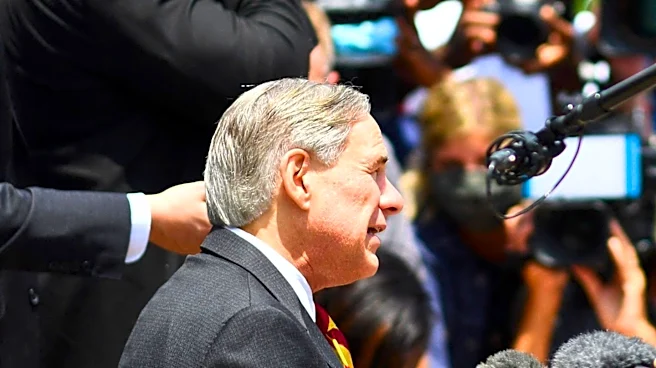
Congressman Greg Casar, representing Texas's 35th Congressional District, along with other local authorities, has voiced significant concern regarding an increase in Immigration and Customs Enforcement (ICE) activity in Austin, Texas. According to Casar, government
sources have confirmed a threefold increase in arrests by ICE in recent days within the community. This surge in detentions has led to heightened anxiety among Austin's immigrant population. A press conference was held by Congressman Casar and local officials to address these developments, emphasizing the need for greater transparency in ICE operations and improved treatment of immigrants. The officials highlighted that these actions are having a detrimental impact on the city and its residents. The community is being urged to understand their constitutional rights, particularly the right to remain silent and to speak with an attorney before disclosing personal information to immigration officials. This situation underscores a growing tension between federal immigration enforcement and local community concerns in Austin.
Why It's Important?
The increased ICE activity in Austin, as reported by Congressman Greg Casar, carries significant implications for the city's immigrant community and local governance. A threefold increase in arrests can lead to widespread fear and distrust, potentially discouraging immigrants from engaging with local services, including law enforcement and healthcare, due to concerns about their immigration status. This can undermine public safety efforts and create a vulnerable population hesitant to report crimes or seek necessary medical attention. Economically, a climate of fear and uncertainty can disrupt local businesses, many of which rely on immigrant labor and patronage. Socially, the separation of families due to detentions can have long-lasting psychological and economic impacts on children and spouses. The call for greater transparency and better treatment of immigrants by local officials reflects a broader national debate on immigration policy and the balance between federal enforcement and local community integration. This situation highlights the challenges faced by cities with significant immigrant populations in navigating federal immigration mandates while striving to protect their residents' well-being and civil liberties.
What's Next?
Following the concerns raised by Congressman Greg Casar and local officials regarding increased ICE activity in Austin, several next steps are anticipated. Local authorities are expected to continue advocating for greater transparency from ICE and for more humane treatment of immigrants during arrests and detentions. Community organizations and legal aid groups will likely intensify their efforts to educate immigrants about their rights and provide legal assistance to those affected by the increased enforcement. There may be calls for a comprehensive immigration reform at the federal level, as suggested by some officials, to address the underlying issues contributing to these tensions. Additionally, local government bodies might explore ways to allocate resources to support immigrant communities, potentially redirecting funds from areas previously associated with immigration enforcement towards community services, job training, and healthcare. The situation could also lead to further public demonstrations and advocacy efforts from civil society groups, aiming to pressure both federal and local authorities to re-evaluate current immigration enforcement strategies and their impact on the community.
Beyond the Headlines
The surge in ICE arrests in Austin, as highlighted by Congressman Greg Casar, points to deeper ethical and legal considerations surrounding immigration enforcement in the U.S. The emphasis on constitutional rights, such as the right to remain silent and access to legal counsel, underscores the ongoing tension between enforcement priorities and individual liberties. This situation also brings to light the cultural dimension of immigration, where immigrant communities, often integral to the social and economic fabric of cities like Austin, face the constant threat of disruption and family separation. The debate extends beyond mere policy to questions of human dignity and the role of local governments in protecting all residents, regardless of immigration status. Long-term, such intensified enforcement could lead to a more entrenched divide between federal agencies and local communities, fostering environments of distrust and potentially hindering effective governance. It also raises questions about the allocation of public resources and whether they are best utilized for enforcement or for integrating and supporting immigrant populations, ultimately shaping the future demographic and social landscape of American cities.