









What's Happening?
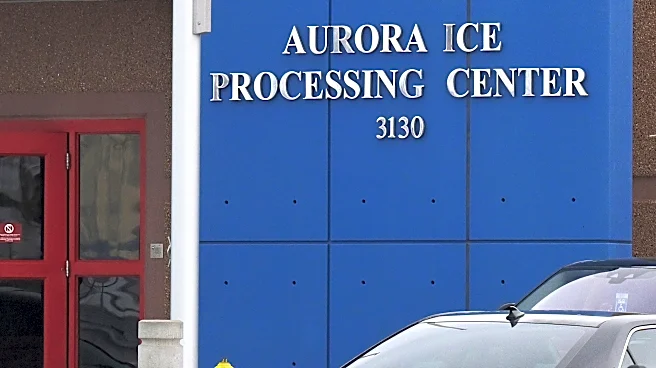
A new rule by U.S. Immigration and Customs Enforcement (ICE) limits F-1 student visas to a four-year maximum, replacing the previous 'duration of status' policy. This change requires students to apply for extensions if their academic programs exceed four years,
affecting many doctoral and some undergraduate programs. The rule also impacts Optional Practical Training (OPT) and STEM OPT participants, who may face additional hurdles in extending their stay. Critics argue the rule could strain USCIS resources, create delays, and make U.S. institutions less attractive to international students.
Why It's Important?
The rule could deter international students from enrolling in U.S. institutions, impacting the country's ability to attract global talent and maintain its leadership in higher education. International students contribute significantly to the U.S. economy and innovation, particularly in STEM fields. The additional administrative burden on USCIS could exacerbate existing processing delays, affecting students' ability to complete their studies and transition to the workforce. This change may also impact employers who rely on international graduates for skilled labor.
What's Next?
Universities and immigration advocates may challenge the rule, citing its potential negative impact on international student enrollment and economic contributions. Educational institutions might need to adjust their recruitment strategies and provide additional support to international students navigating the new requirements. The rule could also prompt legislative or policy changes aimed at balancing immigration control with the need to attract global talent.
Beyond the Headlines
The regulation reflects broader immigration policy trends under the current administration, emphasizing stricter controls and oversight. It raises questions about the U.S.'s commitment to being a global leader in education and innovation. The policy could also influence international perceptions of the U.S. as a welcoming destination for students, potentially shifting global education dynamics.