





What's Happening?
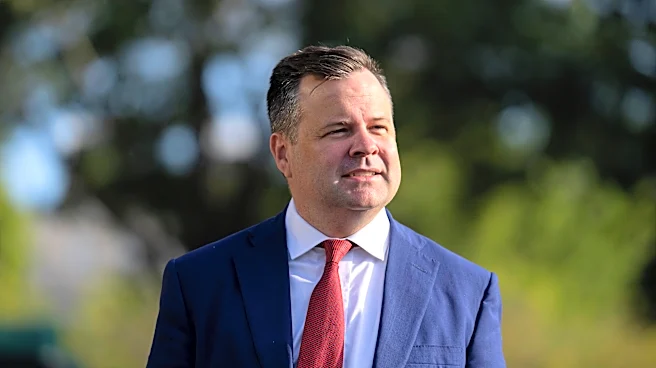
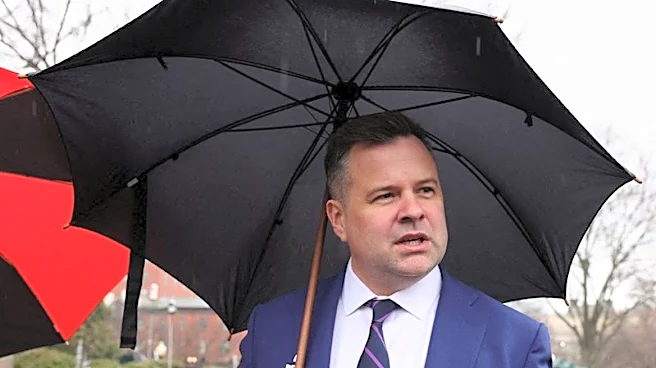
President Trump's appointment of Bill Pulte as acting director of national intelligence has sparked controversy and threatens the renewal of Section 702 of the Foreign Intelligence Surveillance Act (FISA). Pulte, who lacks experience in national security,
has been criticized by both Democrats and some Republicans. The appointment has complicated negotiations to extend the surveillance authority, which is crucial for national security. With the deadline for renewal approaching, political tensions are high, and the future of the surveillance program is uncertain.
Why It's Important?
Section 702 of FISA is a critical tool for U.S. intelligence agencies, allowing them to collect communications of noncitizens abroad without a warrant. Its potential lapse could have significant implications for national security, as it would limit the government's ability to gather intelligence on foreign threats. The controversy surrounding Pulte's appointment highlights the challenges of balancing political appointments with national security needs. The situation underscores the importance of experienced leadership in intelligence roles and the potential risks of politicizing such appointments.
What's Next?
As the deadline for FISA renewal approaches, political leaders are under pressure to reach an agreement. The White House may need to reconsider Pulte's appointment to secure the necessary support for the extension. The situation could lead to further political negotiations and potential executive actions to address the intelligence gap if the authority lapses. The outcome will have significant implications for U.S. intelligence operations and the broader political landscape.