



What's Happening?
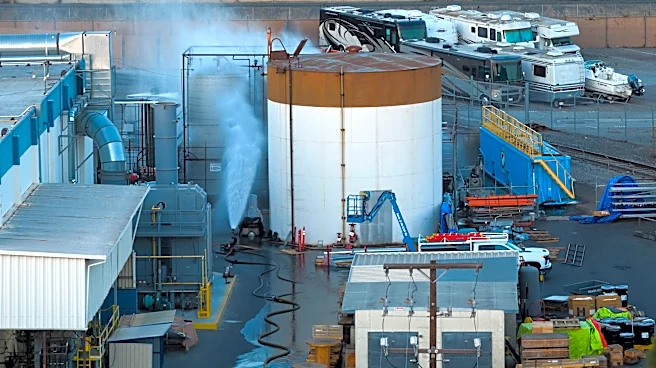
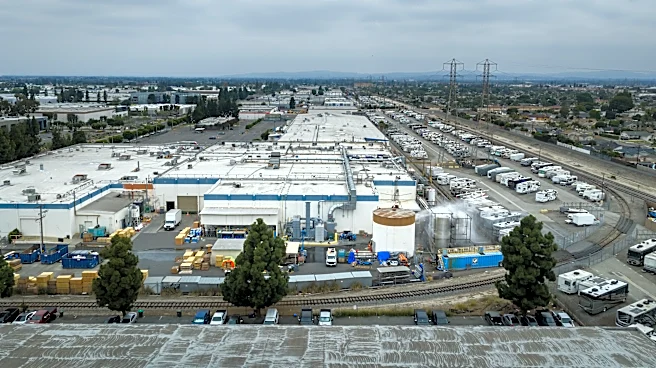
California has declared a state of emergency as crews work to prevent a chemical container from overheating and potentially leaking or exploding. The situation has prompted evacuation orders in affected areas to ensure public safety. The emergency response
aims to mitigate the risk of an environmental disaster, with efforts focused on stabilizing the chemical container and preventing any hazardous release. The declaration underscores the urgency of the situation and the need for coordinated action to protect residents and the environment from potential harm.
Why It's Important?
The state of emergency in California highlights the critical importance of preparedness and rapid response in preventing environmental disasters. The potential for a chemical leak or explosion poses significant risks to public health and the environment, necessitating swift action to avert a crisis. The situation underscores the need for robust safety protocols and infrastructure to manage hazardous materials effectively. It also raises questions about regulatory oversight and the adequacy of existing measures to prevent such incidents. The outcome of this emergency response will have implications for public confidence in the state's ability to handle environmental threats.
What's Next?
As the emergency response continues, authorities will focus on stabilizing the chemical container and ensuring that the risk of a leak or explosion is fully mitigated. The situation may prompt a review of safety regulations and emergency preparedness protocols to prevent similar incidents in the future. Stakeholders, including government agencies, environmental groups, and the public, may call for increased transparency and accountability in the management of hazardous materials. The incident could lead to policy changes aimed at strengthening environmental protections and enhancing the state's capacity to respond to potential disasters.