








What's Happening?
Tulsa city leaders announced significant progress in their efforts to combat homelessness, reporting on October 29 that 820 individuals have secured housing through the Safe Move Tulsa initiative. During a news conference held in the Kendall Whittier
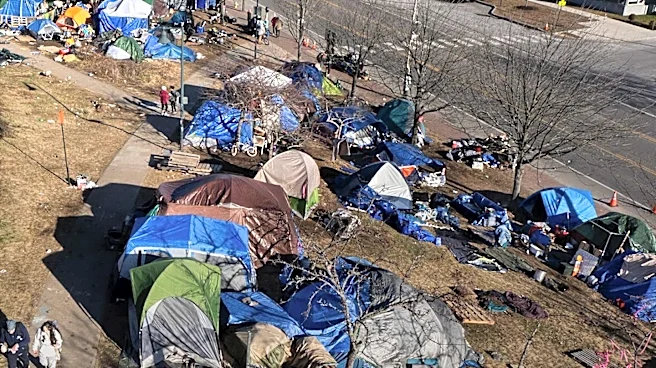
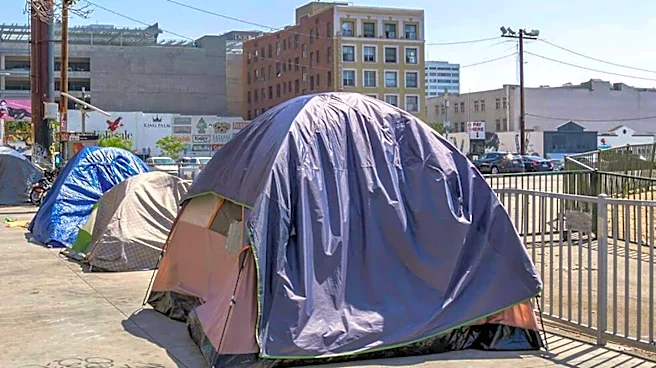
neighborhood, officials also confirmed the closure of an additional 13 homeless encampments, bringing the total number of closed encampments to 25. This figure more than doubles the number reported in 2025. Tulsa Mayor Monroe Nichols highlighted these numbers as evidence of the city's success in addressing homelessness and establishing an effective system for housing assistance. Mark Smith, CEO of Housing Solutions, emphasized the initiative's positive impact in helping people experiencing homelessness access housing and necessary support services. Tulsa Police Chief Jonathan Brooks underscored the importance of collaboration among city agencies, community organizations, and residents in tackling homelessness and ensuring public safety.
Why It's Important?
The Safe Move Tulsa initiative's reported success in housing 820 individuals and closing 25 encampments signifies a notable advancement in addressing a critical social issue within the U.S. This effort demonstrates a tangible impact on the lives of vulnerable populations, offering stability and support. The collaboration between city government, non-profit organizations like Housing Solutions, and the private sector provides a model for other U.S. cities grappling with similar challenges. By reducing homelessness, the initiative can lead to improved public health outcomes, decreased strain on emergency services, and enhanced community safety. The focus on creating a sustainable system for housing assistance, as noted by Mayor Nichols, suggests a long-term strategy that could yield lasting benefits for Tulsa's residents and its overall urban environment. This approach could also alleviate the economic burden associated with chronic homelessness, which often includes high costs for healthcare and public services.
What's Next?
Safe Move Tulsa is nearing its one-year anniversary and has established a goal of housing 1,300 individuals by the end of the year. City leaders have affirmed their commitment to achieving this target by continuing to foster partnerships between the city, non-profit organizations, and the private sector. This ongoing collaboration is crucial for sustaining the momentum of the initiative and expanding its reach. The focus will likely remain on identifying and securing additional housing opportunities, providing comprehensive support services to newly housed individuals, and strategically managing remaining homeless encampments. The success of this initiative could also inspire other U.S. cities to adopt similar multi-sector approaches to homelessness, potentially leading to broader policy discussions and resource allocation at state and national levels to address this pervasive issue.
Beyond the Headlines
The success of Safe Move Tulsa extends beyond mere numbers, highlighting a shift towards a more systemic and collaborative approach to homelessness in the U.S. This initiative underscores the ethical imperative of providing basic human needs, such as shelter, and the societal benefits that accrue when communities invest in such solutions. The involvement of law enforcement, as noted by Tulsa Police Chief Jonathan Brooks, suggests a recognition that homelessness is not solely a public safety issue but one requiring a compassionate, multi-faceted response. This model challenges traditional punitive approaches to homelessness by emphasizing housing and support, potentially leading to a re-evaluation of how cities nationwide address this complex problem. The long-term implications could include a reduction in social inequalities and a strengthening of community bonds through shared responsibility and collective action.