

What's Happening?
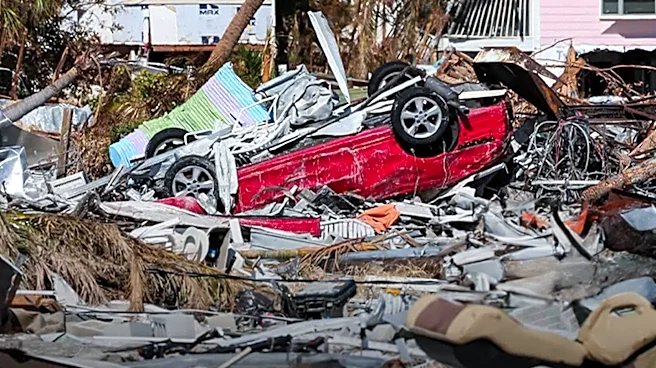
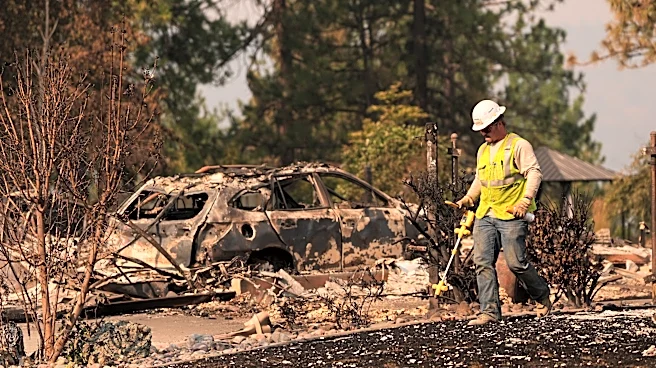
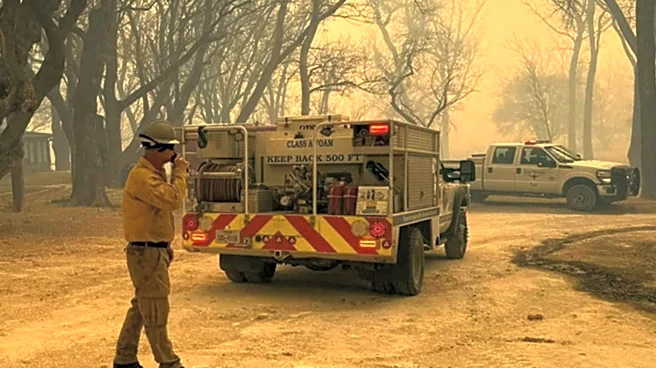
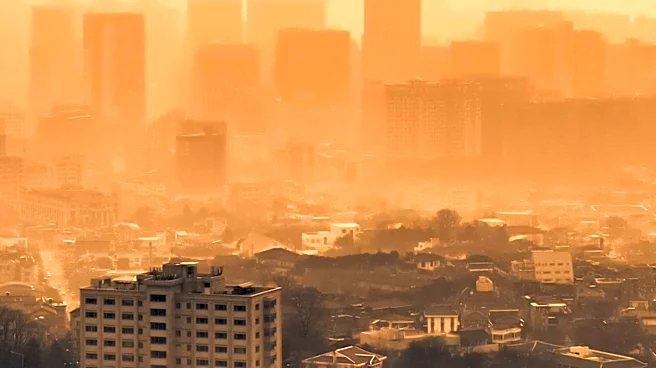
In Washington state, particularly around Spokane, wildfires have caused significant destruction and evacuations. As of August 5, 2026, three large wildfires have burned over 10,000 acres, destroyed hundreds of buildings, and forced more than 65,000 residents
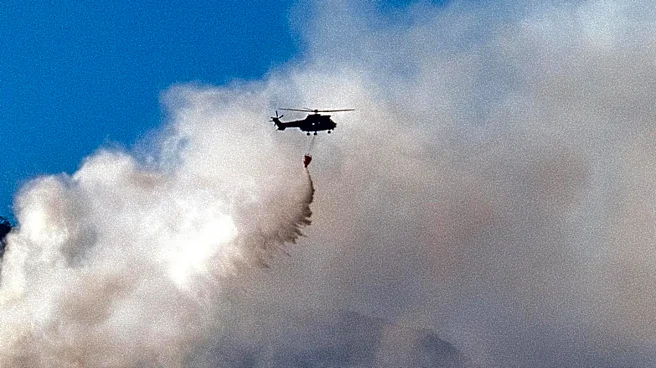
to evacuate. The largest fire, known as the Old Trails fire, has been linked to an arson suspect, Aaron Farinacci, who was arrested and questioned previously about fires from the previous year. Despite the ongoing efforts of thousands of firefighting personnel, the fires remain 0% contained. The situation has raised concerns about the increasing frequency and severity of wildfires due to climate change, with experts warning about the potential perverse incentives created by wildfire prediction markets.
Why It's Important?
The wildfires in Washington state highlight the growing threat of climate change-induced natural disasters. The destruction of homes and the displacement of thousands of residents underscore the urgent need for effective wildfire management and prevention strategies. The arrest of Aaron Farinacci, suspected of arson, also brings attention to the human factors contributing to such disasters. The economic impact is significant, with potential losses in property, infrastructure, and local economies. Additionally, the strain on firefighting resources and the risk to human lives emphasize the critical need for increased funding and support for emergency services.
What's Next?
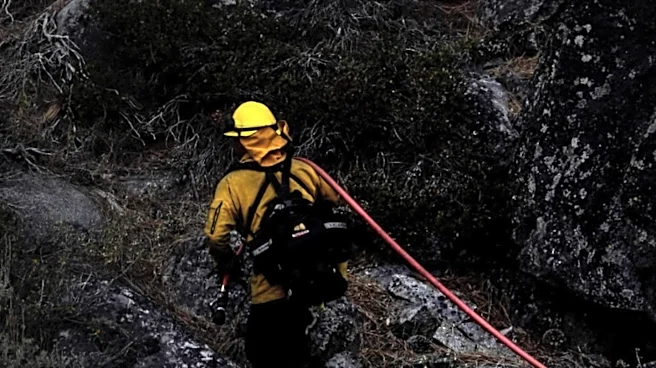
Firefighting crews are currently focused on strengthening containment lines and preparing for the return of critical fire weather conditions. The legal proceedings against Aaron Farinacci will likely continue, with potential implications for future arson investigations and wildfire prevention measures. Authorities may also review and enhance policies related to fire management and community safety. The situation calls for increased collaboration between government agencies, environmental organizations, and local communities to address the root causes of wildfires and improve resilience against future incidents.
Beyond the Headlines
The arrest of Aaron Farinacci sheds light on the complex interplay between individual actions and broader environmental challenges. His criminal history and the circumstances surrounding the fires raise questions about mental health support and rehabilitation for individuals with a history of violence. The case also highlights the ethical considerations of wildfire prediction markets, which could inadvertently incentivize arson. As climate change continues to exacerbate natural disasters, society must grapple with the ethical, legal, and cultural dimensions of prevention and response strategies.