







What's Happening?
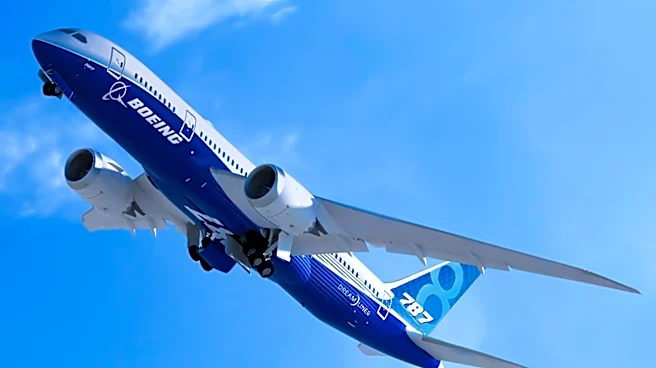
Germany’s air accident investigation bureau, Bundesstelle fuer Flugunfalluntersuchung (BFU), has launched an investigation into a Vietnam Airlines Boeing 787-9 incident that resulted in substantial damage during takeoff from Munich International Airport
on August 15. The aircraft, registered VN-A867, was performing Flight VN34 to Hanoi when its takeoff roll was significantly longer than usual. Video footage indicates the aircraft traveled the entire 4,000-meter runway, with its main gear lifting only after entering the grassy area beyond the runway's end. Just before becoming fully airborne, two significant impacts with the ground were observed and heard. Pictures of the aircraft show considerable damage to the rear lower fuselage, consistent with a tail strike, and several tires of the right main landing gear were destroyed. The BFU has recovered the flight data and cockpit voice recorders, which are now at the agency’s headquarters in Braunschweig for initial analysis, expected to take about a week. Vietnam Airlines stated the aircraft returned to Munich due to a 'technical issue' and is cooperating with authorities.
Why It's Important?
This incident highlights critical aspects of aviation safety and operational protocols, particularly concerning takeoff procedures and aircraft maintenance. The investigation by the BFU will aim to determine the root cause of the unusually long takeoff roll and the subsequent damage, which could have significant implications for flight crew training, air traffic control procedures, and aircraft operational limits. For Boeing, the manufacturer of the 787-9 Dreamliner, such incidents can lead to increased scrutiny of aircraft design, performance specifications, and maintenance requirements, potentially affecting its reputation and future orders. The involvement of an international airline like Vietnam Airlines also underscores the global interconnectedness of aviation safety standards and the importance of thorough investigations to prevent similar occurrences worldwide. The findings could lead to updated safety directives or operational guidelines across the industry, impacting airlines and regulatory bodies globally.
What's Next?
The BFU's initial analysis of the flight data and cockpit voice recorders is expected to conclude within a week, providing crucial insights into the incident. A preliminary report will likely follow, detailing the initial findings regarding the aircraft's performance and any contributing factors. The investigation will focus on understanding why the takeoff roll was extended and what led to the tail strike and tire damage. Depending on the findings, the BFU may issue recommendations for operational changes, maintenance checks, or pilot training enhancements. Vietnam Airlines will continue to coordinate with relevant authorities and parties to inspect the damaged aircraft and implement any necessary corrective actions. The incident could also prompt broader reviews by aviation regulatory bodies, such as the FAA and EASA, into Boeing 787-9 operations or general takeoff safety procedures, potentially leading to new safety advisories or mandates for airlines globally.
Beyond the Headlines
Beyond the immediate technical and operational aspects, this incident could trigger a deeper examination of the human factors involved in aviation safety, including pilot decision-making under pressure and the effectiveness of pre-flight checks. The fact that the aircraft continued its takeoff roll beyond the runway and sustained significant damage before becoming airborne raises questions about the thresholds for aborting a takeoff and the communication protocols between the flight deck and air traffic control. The public availability of passenger video footage also highlights the increasing role of citizen journalism in documenting aviation incidents, which can both aid investigations and influence public perception. For the aviation industry, this event serves as a reminder of the continuous need for vigilance, rigorous training, and adherence to safety standards, especially as air travel volumes increase and aircraft technology evolves. The long-term implications could include a re-evaluation of emergency procedures and crew resource management in critical flight phases.