





What's Happening?
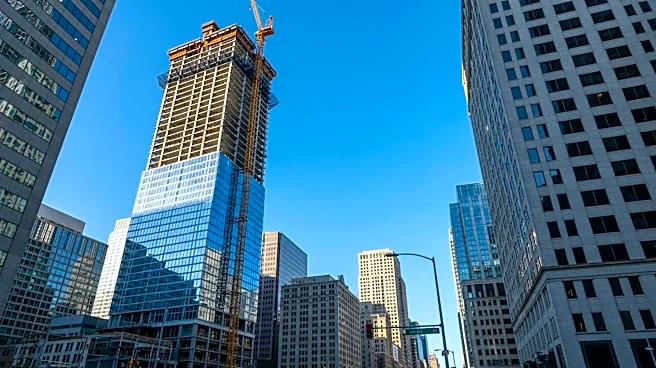
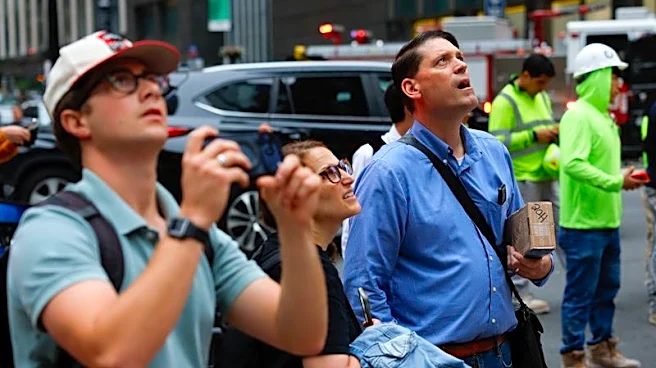
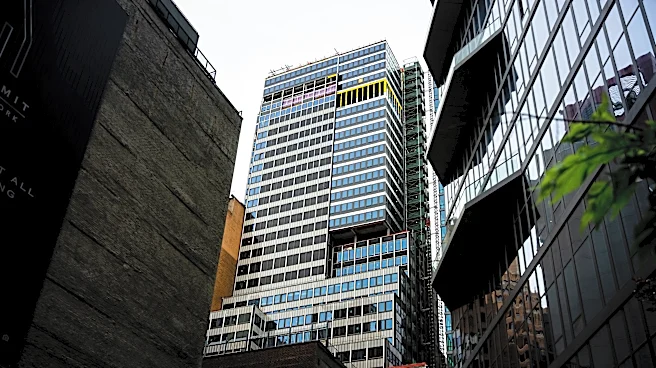
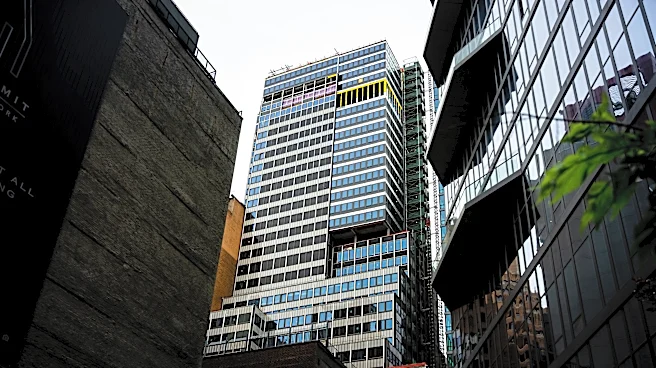
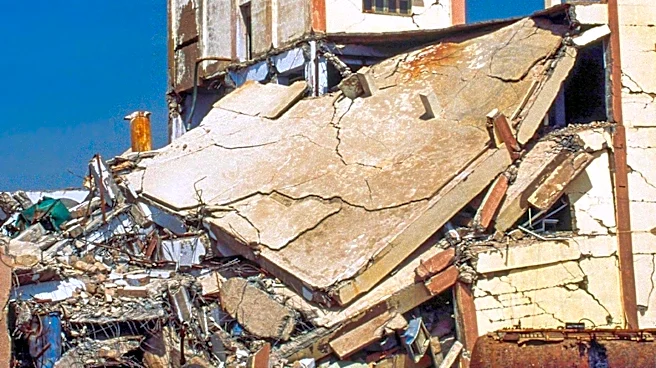
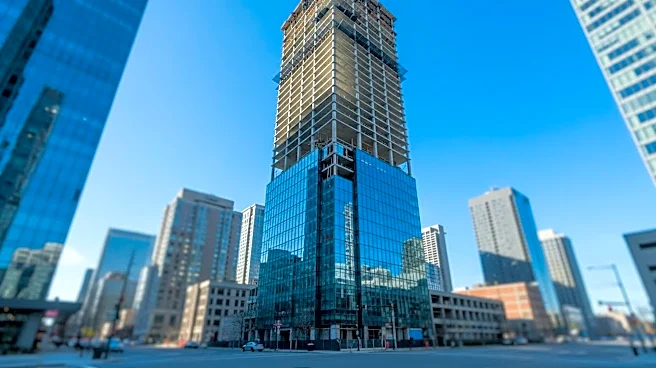
A structural emergency occurred at a former Pfizer building on East 42nd Street in Manhattan, which was undergoing conversion into a luxury residential complex. Two support columns buckled on the 21st floor, causing floors to sag between the 21st and
26th floors, leading to a full evacuation. The building, set to house 1,500 to 1,600 apartments, is one of the largest office-to-residential conversions in the U.S. and was expected to be completed in 2027. The New York City Fire Department and Department of Buildings engineers are assessing the situation, and no injuries have been reported. This incident underscores the complexities involved in converting office spaces into residential units, a trend that has gained momentum as cities seek to address housing shortages.
Why It's Important?
The incident at the former Pfizer building highlights the significant challenges and risks associated with converting office buildings into residential spaces. These conversions are seen as a potential solution to New York City's housing affordability crisis, exacerbated by high demand and limited space. However, the structural issues encountered demonstrate the technical difficulties and safety concerns that can arise. Successful conversions require extensive redesign and structural modifications, which can be more complex and costly than new constructions. This event may prompt city officials and developers to reassess safety protocols and construction practices to ensure the safety and viability of future projects.
What's Next?
Following the structural emergency, an investigation will likely be conducted to determine the cause of the column failure and to assess the safety of the ongoing conversion project. The outcome of this investigation could influence future regulations and safety standards for office-to-residential conversions in New York City. Additionally, developers and city officials may need to implement more rigorous safety checks and design evaluations to prevent similar incidents. The incident may also impact public perception and confidence in living in converted buildings, potentially affecting the market for such residential units.