





What's Happening?
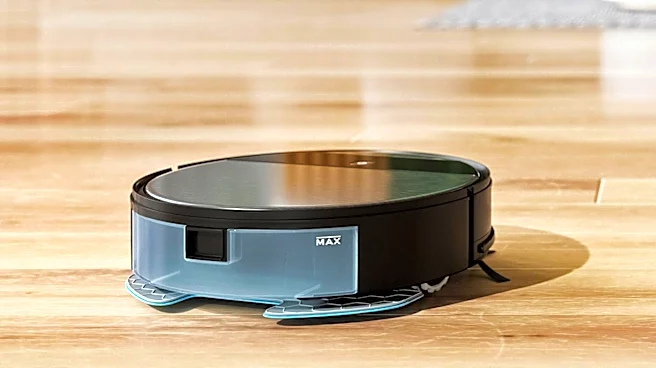
The Federal Communications Commission (FCC) has added foreign-produced power inverters and advanced robotic devices to its Covered List, a move aimed at addressing national security concerns. This decision, announced on July 28, 2026, follows a pattern
of recent FCC actions targeting foreign technology that poses potential risks to U.S. security. The listing prohibits new foreign-produced inverter models from receiving the necessary equipment authorization to be imported, marketed, or sold in the United States. The FCC's determination highlights the significant reliance of the U.S. grid on inverters, with over 46 gigawatts of capacity already dependent on these devices. The action is part of a broader strategy to reduce U.S. dependencies on foreign technology and ensure national security.
Why It's Important?
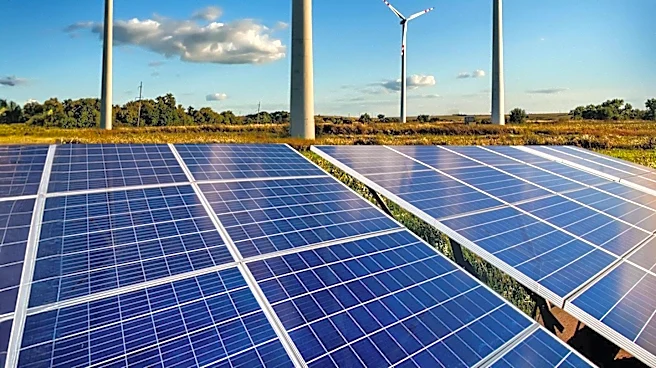
This development is significant as it underscores the FCC's commitment to national security by limiting foreign influence in critical infrastructure. The decision could have substantial implications for the U.S. energy sector, particularly in solar and battery storage, where inverters play a crucial role. By restricting foreign-produced inverters, the FCC aims to mitigate risks associated with potential cyber threats and supply chain vulnerabilities. However, this move may also lead to increased costs and supply chain disruptions for U.S. companies relying on these technologies. The action reflects a strategic shift towards enhancing domestic production capabilities and reducing reliance on foreign entities.
What's Next?
The FCC's decision is expected to prompt further regulatory actions and proposals, including potential expansions of the Covered List to include additional device categories. Companies involved in the production and importation of connected grid equipment and robotics should prepare for ongoing scrutiny and compliance requirements. The FCC's focus on national security is likely to drive continued efforts to identify and mitigate risks associated with foreign technology in the U.S. market. Stakeholders in the energy and technology sectors will need to navigate these regulatory changes while exploring opportunities for domestic manufacturing and supply chain diversification.