





What's Happening?
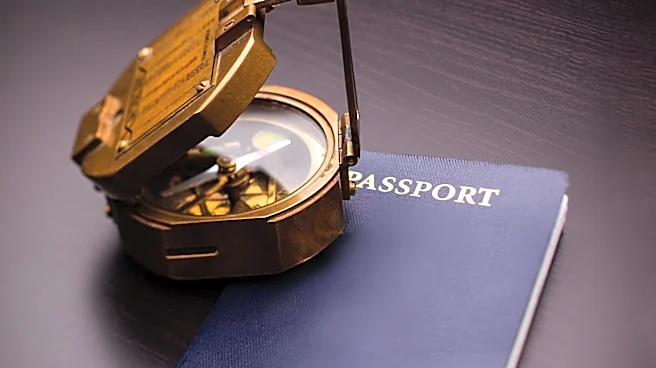
Modern passports are designed with multiple layers of security features to combat forgery, tampering, and misuse. These features combine physical, visual, and digital elements. Physical layers include durable materials, secure binding, and specialized
inks. Visual layers incorporate images, patterns, and hidden artwork that reveal attempts at copying. Crucially, digital layers involve machine-readable zones and contactless chips that store identity data, allowing for verification against trusted records. This layered approach shifts verification from a purely visual inspection to a system that confirms encoded identity data matches official records, significantly improving fraud detection. The security features are also designed to show tamper evidence, making alterations noticeable to trained inspectors or scanners.
Why It's Important?
The advanced security features in passports are vital for national security and identity verification in the U.S. and globally. Strong passport security directly impacts the integrity of border controls, preventing individuals from entering the country with fraudulent documents. This reduces the risk of terrorism, illegal immigration, and other criminal activities. For U.S. citizens, these features ensure the reliability of their identity document when traveling internationally, facilitating smoother and more secure passage. The continuous evolution of these security measures also drives innovation in anti-counterfeiting technologies, benefiting other sectors that rely on secure identification. Weaknesses in passport security could have far-reaching consequences, undermining trust in identity documents and compromising national security.
What's Next?
The ongoing development of passport security will likely focus on enhancing the integration of physical, visual, and digital layers to create even more resilient documents. This includes continuous innovation in materials science, printing techniques, and chip technology to stay ahead of counterfeiters. There will be an increased emphasis on ensuring that verification workflows are robust, providing clear guidance to inspectors on how to interpret features and respond to discrepancies. Furthermore, the protection of the digital layer, including the chip, reader, and backend trust chain, will remain a critical area of focus to prevent data breaches and ensure the integrity of encoded identity information. Future passports may incorporate even more sophisticated biometric data and advanced encryption methods.
Beyond the Headlines
The sophistication of passport security features reflects a broader societal challenge: the constant arms race between those who seek to verify identity and those who seek to falsify it. Beyond the immediate security implications, these features raise questions about the balance between privacy and security, particularly with the increasing use of digital and biometric data. The reliance on advanced technology also highlights potential vulnerabilities if these systems are compromised or if there are inconsistencies in their implementation across different jurisdictions. The ethical considerations of data storage, access, and the potential for surveillance are also implicit in the design of these highly secure documents, shaping the future of personal identification in an increasingly digital world.