






What's Happening?
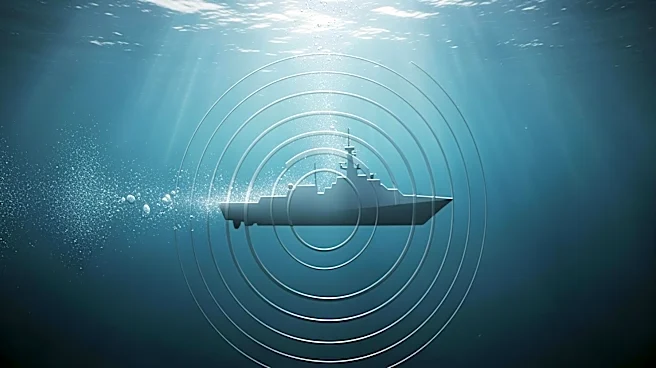
The United Kingdom and Norway have conducted a joint military operation to monitor and deter Russian submarines suspected of engaging in 'malign activity' in the North Atlantic. According to British Defence Secretary John Healey, the operation involved
a frigate, planes, and hundreds of personnel who tracked a Russian attack submarine and two spy submarines near critical undersea infrastructure north of the UK. This operation, which lasted over a month, concluded with the Russian vessels leaving the area without causing any damage. Healey emphasized that any attempts by Russia to damage UK cables and pipelines would not be tolerated and would have serious consequences. This operation is part of a broader effort by the UK and Norway to protect undersea cables from potential Russian threats, following increased Russian naval activity around UK waters.
Why It's Important?
The operation underscores the growing concerns over Russian naval activities and their potential threat to critical infrastructure in Europe. The protection of undersea cables is crucial as they are vital for global communications and internet connectivity. The increased Russian naval presence and the suspected malign activities highlight the ongoing geopolitical tensions and the need for vigilance among NATO allies. The operation also reflects the strategic importance of the North Atlantic region and the necessity for joint military efforts to safeguard it. The UK's readiness to take action against Russian vessels suspected of violating international sanctions further illustrates the heightened security measures being adopted in response to perceived threats.
What's Next?
The UK and Norway are expected to continue their joint naval patrols to protect undersea infrastructure. The UK government has announced plans for a combined fleet of at least 13 warships to 'hunt Russian submarines and protect critical infrastructure in the North Atlantic.' This ongoing collaboration between the UK and Norway is likely to strengthen their defense capabilities and deter potential threats. Additionally, NATO and its member states may increase their focus on cyber and hybrid threats, particularly those targeting undersea cables, as part of their broader security strategy.
Beyond the Headlines
The operation highlights the complex nature of modern warfare, where traditional military threats are intertwined with cyber and hybrid tactics. The use of submarines and other covert methods to potentially disrupt critical infrastructure reflects a shift in how nations may seek to exert influence and pressure. This development also raises questions about the adequacy of current international laws and agreements in addressing such unconventional threats. The situation may prompt discussions on enhancing international cooperation and legal frameworks to better protect undersea infrastructure and ensure global security.