



What's Happening?
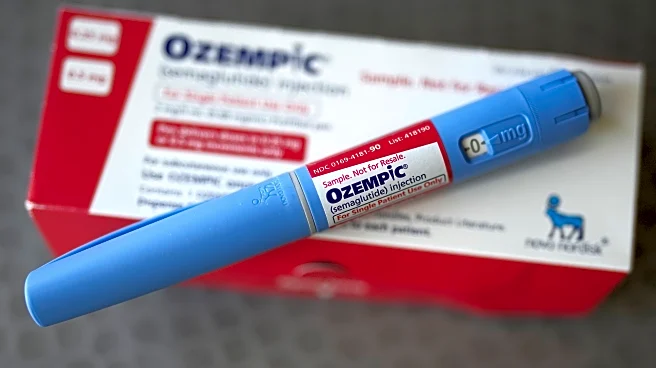
A study published in the BMJ suggests that GLP-1 receptor agonists, such as semaglutide and liraglutide, may reduce the risk of developing substance use disorders. The study, which analyzed health records of over 600,000 veterans, found a 14% reduced
risk of new substance use disorders and a 26% reduction in substance-related hospital admissions among those taking GLP-1 drugs. The research used a 'target trial emulation' method to closely resemble a randomized controlled trial.
Why It's Important?
The findings could have significant implications for treating substance use disorders, offering a potential new therapeutic avenue. If further validated, GLP-1 drugs could complement existing treatments, providing a dual benefit for patients with diabetes or obesity who are also at risk of addiction. This could lead to broader acceptance and use of these medications, potentially reducing the stigma associated with addiction treatment and improving patient outcomes.
Beyond the Headlines
While promising, the study's results are based on associations rather than causation, highlighting the need for randomized controlled trials to confirm these findings. The study's cohort was predominantly male veterans, which may limit the generalizability of the results to other populations. Additionally, the research underscores the importance of addressing stigma and improving access to existing evidence-based treatments for substance use disorders.