
What's Happening?
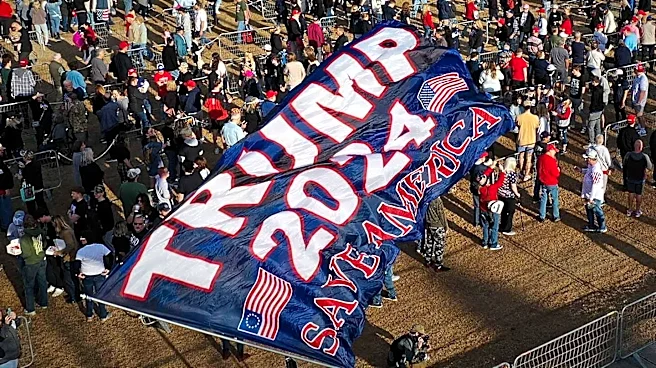
U.S. House Speaker Mike Johnson recently joined Representative Rob Bresnahan at a campaign event in Wilkes-Barre, Pennsylvania, to support Bresnahan's re-election bid against Scranton Mayor Paige Cognetti. During the rally, Johnson and Bresnahan criticized
Mayor Cognetti, alleging that her administration cut funding for local law enforcement and that violent crime is increasing in Scranton. Specifically, Representative Bresnahan claimed that Mayor Cognetti's administration reduced funding for police guns and ammunition by 50% after discussions with activist groups, and that she objected when the city council attempted to restore funding for special operations ammunition. Mayor Cognetti's campaign, however, countered these claims, stating that public safety is a personal priority for her and that she has invested millions in local law enforcement. Her campaign provided data indicating a 21.5% increase in police spending between 2020 and 2024 and an increase in ammunition purchases from $20,000 to $50,000 in her first year as mayor. Additionally, her campaign highlighted her efforts to secure funding for 51 new police vehicles and install 230 citywide cameras.
Why It's Important?
This political clash highlights a significant national debate regarding public safety, law enforcement funding, and the role of local and federal officials in addressing crime. The accusations and counter-accusations between Representative Bresnahan and Mayor Cognetti reflect broader partisan divisions on how to best support police and ensure community safety. For voters in Pennsylvania, this debate directly impacts their perception of local governance and their choices in the upcoming midterm elections. The involvement of House Speaker Mike Johnson elevates the local race to a national platform, signaling the Republican Party's emphasis on 'backing the blue' and potentially influencing the narrative around law enforcement support across the country. The differing claims about crime rates and police funding also underscore the challenge of presenting accurate information to the public, as both sides cite data to support their positions. This situation could influence voter turnout and the outcome of a closely watched congressional race, potentially affecting the balance of power in the U.S. House of Representatives.
What's Next?
The upcoming midterm elections in November will serve as a critical test for both Representative Bresnahan and Mayor Cognetti, with the outcome potentially influenced by the ongoing debate over public safety and law enforcement. House Speaker Johnson's prediction of an expanded GOP majority suggests a continued focus on these issues at a national level, which could further intensify local campaigns. Voters in the district will need to weigh the competing claims regarding police funding and crime statistics as they decide between the candidates. The campaigns are likely to continue emphasizing their respective records and visions for public safety, with further rallies, debates, and media appearances expected. The broader implications for national politics include how this local race might reflect or influence the Republican Party's strategy for the upcoming elections, particularly concerning their messaging on law and order. The resolution of this election will determine who represents the district and could set a precedent for how similar issues are framed in other competitive races across the country.
Beyond the Headlines
Beyond the immediate political contest, this situation touches upon the complex interplay between local governance, federal political figures, and public perception of safety. The accusations of 'spreading lies' and 'Washington corruption' highlight a growing distrust in political discourse and the challenge of discerning factual information from campaign rhetoric. The debate over police funding also reflects a deeper societal discussion about the allocation of resources, the effectiveness of different policing strategies, and the balance between community activism and law enforcement needs. The involvement of a high-ranking federal official like Speaker Johnson in a local race underscores the nationalization of local issues, where local elections are increasingly viewed through a broader partisan lens. This trend can lead to increased polarization and make it more difficult for local communities to address their unique challenges without being drawn into national political battles. The long-term impact could be a further entrenchment of partisan divides, even on issues that traditionally have been managed at the local level.