







What's Happening?
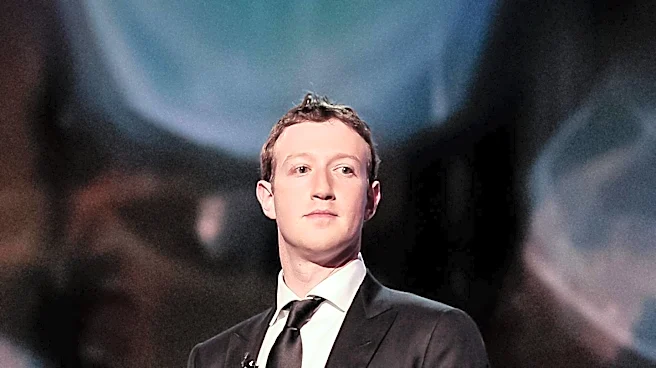
Mark Zuckerberg, co-founder and CEO of Meta, has put forth an ambitious vision for widely distributed superintelligence, as detailed in his essay, 'The Future Is for Everyone.' This concept proposes that individuals, rather than a select few technology
companies or governments, should have access to powerful personal AI systems. The goal is to enhance individual capabilities and serve as a counterbalance to concentrated institutional power. However, this vision is built upon two key assumptions that are currently under scrutiny: first, that 'everyone' can simply be provisioned with access, and second, that broad access to superintelligence is inherently beneficial to humanity. Critics are drawing parallels to Zuckerberg's past promises regarding subsidized Facebook access in developing countries, which, in hindsight, primarily benefited Facebook's market expansion and, in some cases, contributed to the amplification of harmful content and disinformation.
Why It's Important?
Zuckerberg's proposal for widely distributed superintelligence carries significant implications for the future of technology and society in the U.S. and globally. If realized, it could fundamentally alter the landscape of power dynamics, potentially empowering individuals with advanced AI capabilities. This could lead to unprecedented innovation and a more decentralized technological ecosystem. Conversely, the unexamined assumptions underlying this vision raise concerns about potential societal risks. The historical precedent of Facebook's impact in developing countries, where its platform was linked to the spread of hate speech and disinformation, highlights the potential for unintended negative consequences when powerful technologies are broadly deployed without adequate safeguards or understanding of their societal impact. The debate surrounding this vision will shape regulatory discussions, ethical guidelines for AI development, and public perception of advanced technological integration into daily life.
What's Next?
The discussions surrounding Mark Zuckerberg's vision for distributed superintelligence are likely to intensify, prompting further scrutiny from policymakers, ethicists, and the public. Expect ongoing debates about the feasibility, benefits, and potential risks associated with widespread access to advanced AI. Regulatory bodies may begin to explore frameworks for governing the development and deployment of such powerful personal AI systems, focusing on issues of access, equity, and accountability. Technology companies, including Meta, will likely face increased pressure to demonstrate how they plan to mitigate potential harms and ensure responsible innovation. The conversation will also likely involve a deeper examination of the ethical implications of AI, including data privacy, algorithmic bias, and the potential for misuse, as stakeholders work to define the future trajectory of superintelligence.
Beyond the Headlines
Beyond the immediate technical and policy discussions, Zuckerberg's vision touches upon profound ethical and philosophical questions about the nature of human agency and societal control in an age of advanced AI. The idea of individuals possessing 'superintelligence' raises questions about the definition of intelligence itself and the potential for a radical redefinition of human capabilities. There's a deeper implication regarding the concentration of power, not just in institutions, but in the hands of those who design and control these AI systems. The historical context of past technological promises, often accompanied by grand claims of social transformation that didn't fully materialize or had unforeseen negative consequences, suggests a need for caution and critical evaluation. This debate is not just about technology; it's about the kind of future society we are building and who ultimately benefits from its advancements.