
What's Happening?
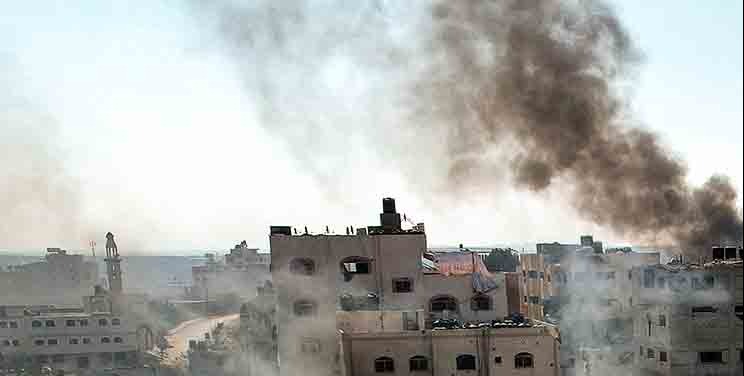
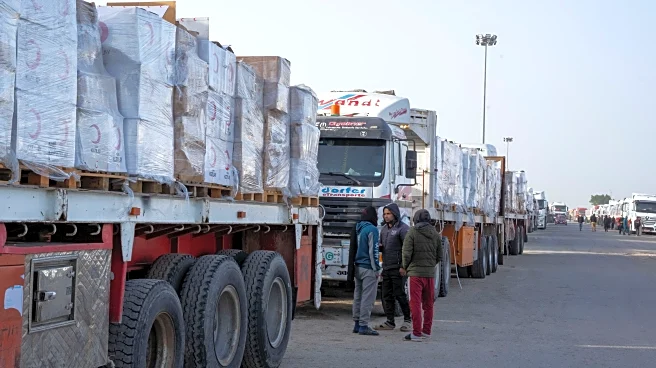
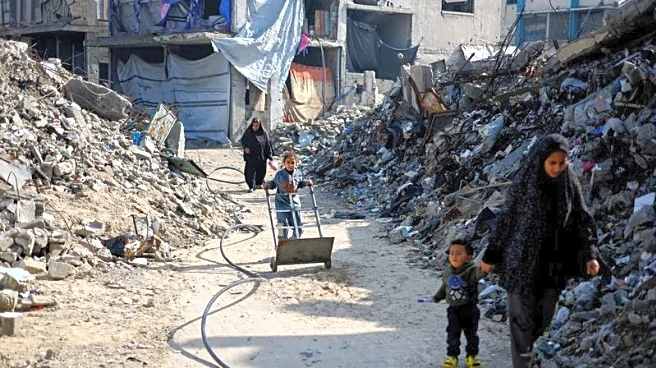
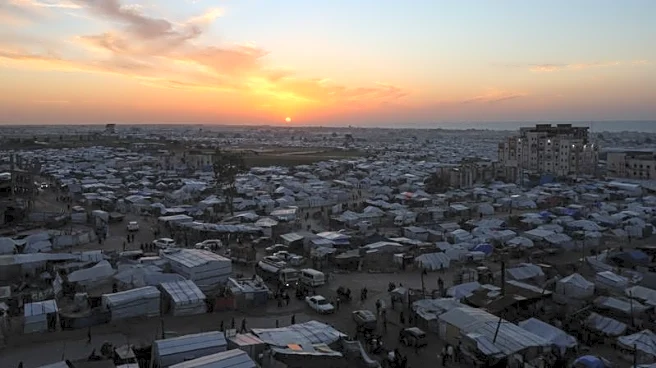
In early 2024, U.S. Agency for International Development (USAID) staffers drafted a warning to senior officials in the Biden administration about the dire conditions in northern Gaza. The area was described
as an 'apocalyptic wasteland' due to severe shortages of food and medical aid, resulting from Israel's military campaign. This warning was part of a series of cables documenting the deteriorating conditions for Palestinians in Gaza. However, these warnings were reportedly blocked by U.S. envoys to Israel, according to six former U.S. officials.
Why It's Important?
The blocking of these warnings highlights the complex dynamics of U.S.-Israel relations and the challenges in addressing humanitarian issues in conflict zones. The situation in Gaza has significant implications for regional stability and human rights. The U.S. government's response, or lack thereof, to such warnings can affect its international standing and influence in Middle Eastern geopolitics. The humanitarian crisis in Gaza also underscores the urgent need for international intervention and aid to alleviate the suffering of civilians.
What's Next?
The revelation of these blocked warnings may lead to increased scrutiny of U.S. foreign policy decisions regarding Israel and Palestine. It could prompt calls for greater transparency and accountability in how humanitarian issues are addressed. Additionally, there may be renewed efforts by international organizations and governments to provide aid and support to Gaza, as well as diplomatic initiatives to address the underlying causes of the conflict.